
Distinct by Nature
Curating America’s most distinguished collection of genuine sheepskin rugs
✔ Rare, Large Natural Sheepskins – Eco-Tanned
✔ Ships Within 1 Business Day
✔ Independently Owned & Operated in the USA
✔ Transparent Sourcing & Origins
✔ No Marketing Emails. No Gimmicks.
Popular Sheepskin Collections
Shop Unrepeatable Sheepskins
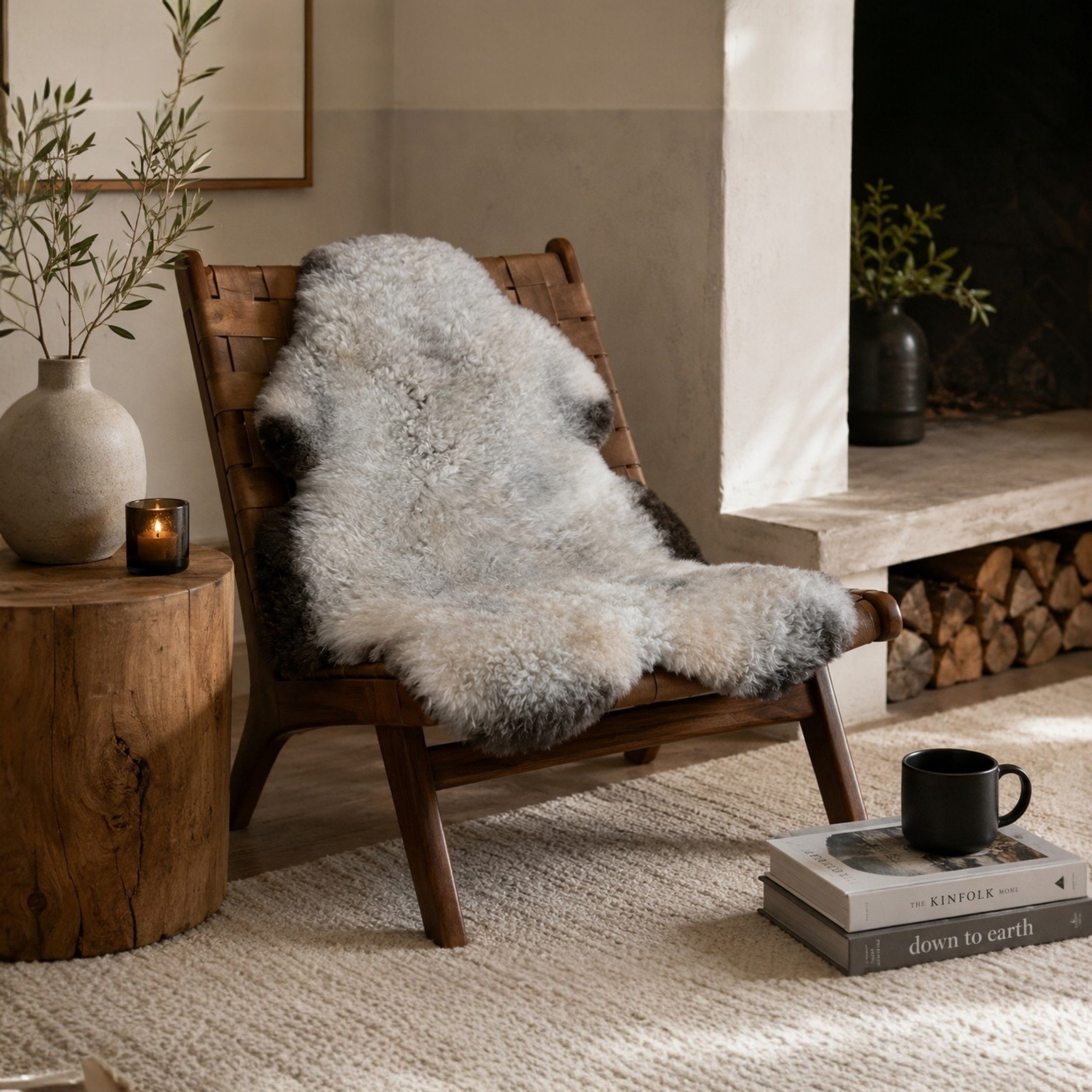
Distinct by Nature. Sheepskins Available Only Once
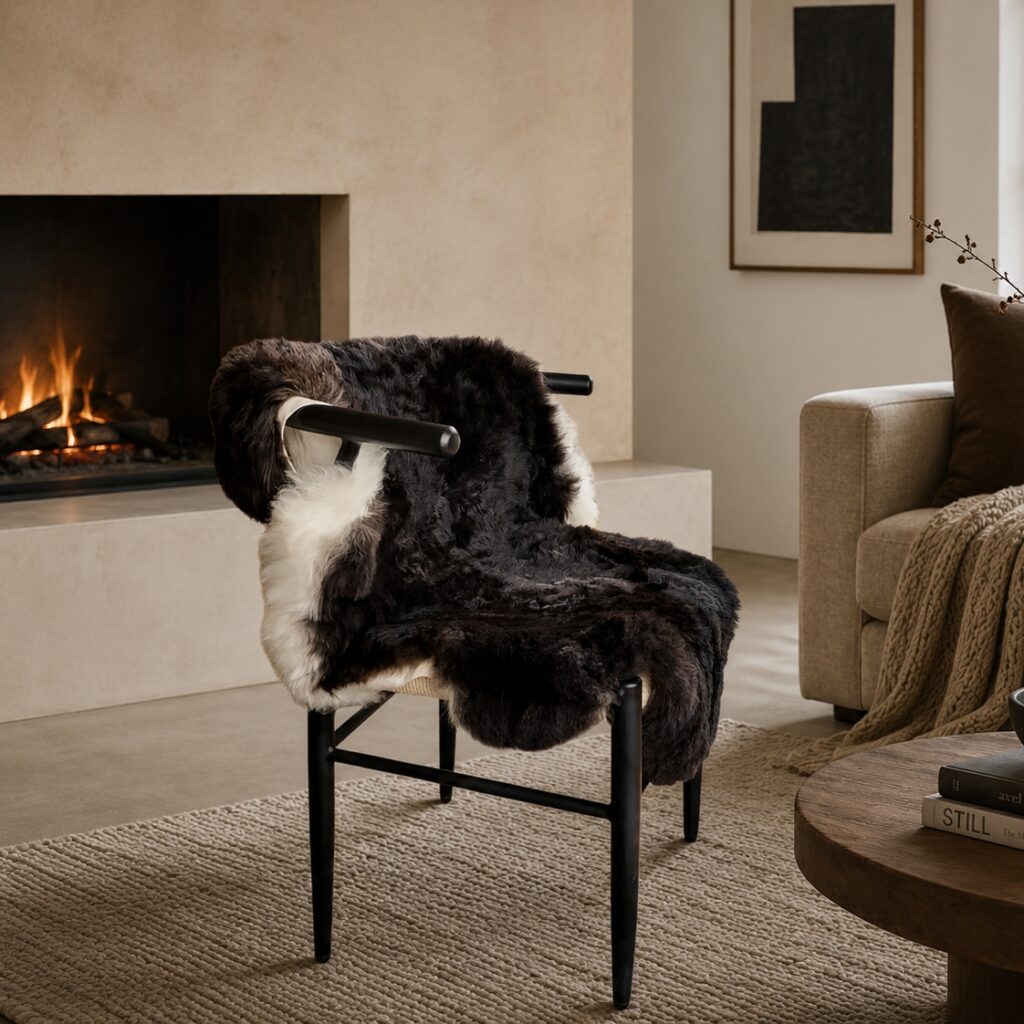
One-of-a-kind sheepskin rugs, throws, and natural sheepskins selected for their exceptional markings, rare colors, and distinctive character.
Shop Icelandic Sheepskins
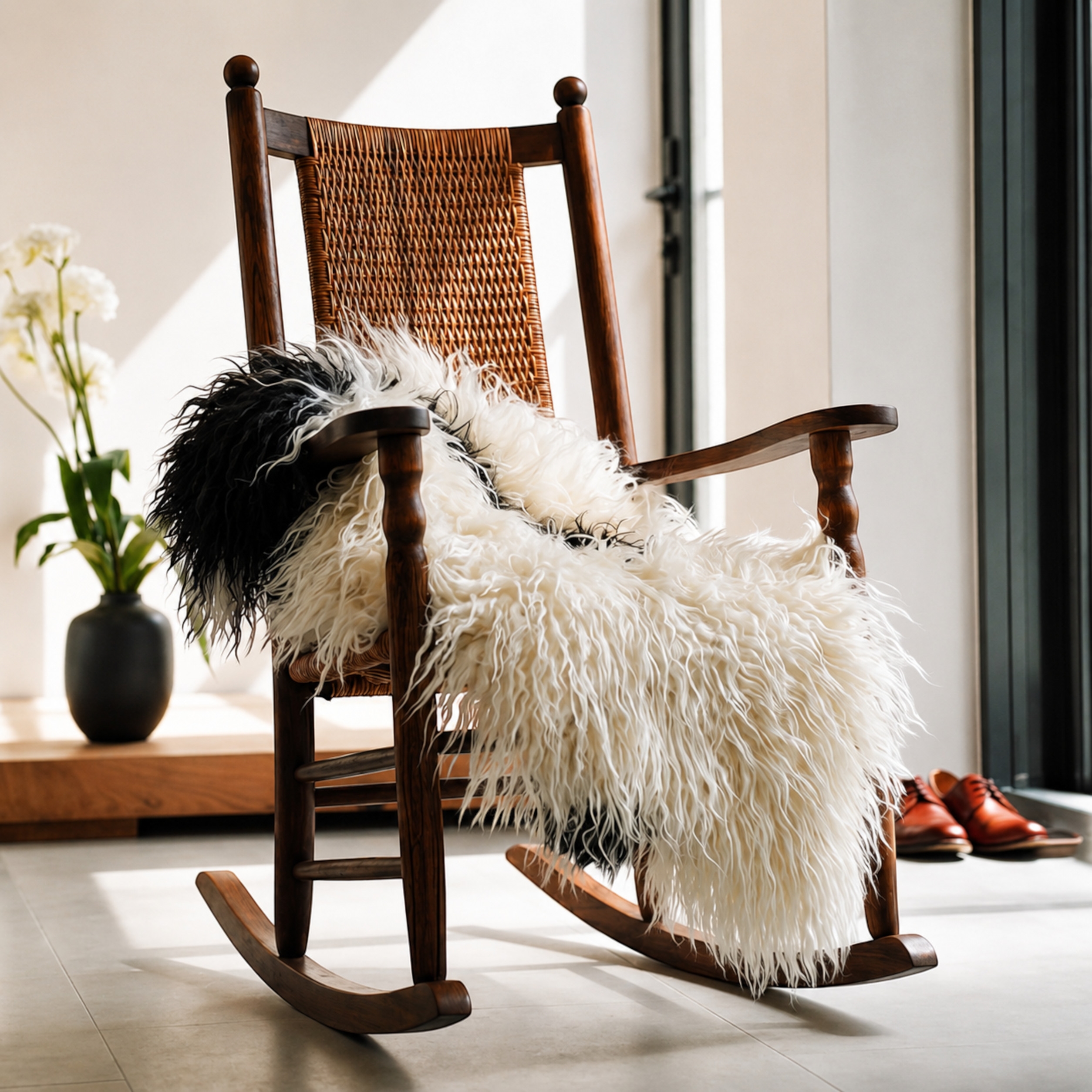
Wild, Woolly & Unique, Genuine Icelandic Sheepskins
Our Icelandic sheepskin rugs are prized for their exceptionally long wool, distinctive texture, and natural beauty.
Best Selling Sheepskin Rugs

Curly Natural Icelandic Sheepskin Rug
$150.00Icelandic Sheepskin – Light Golden Brown
$150.00Icelandic Sheepskin Rugs with Spots
$150.00Large Lofty Natural Brown Sheepskin Pelt Rug
$185.00Supple Icelandic Ivory White Lambskin Rug
$107.00Large Marble Gray Icelandic Sheepskin Throw (4 Pelt – 4′ x 6′)
$475.00Icelandic Double Sheepskin Seat Cover or Runner Rug – Gray Tip
$275.00Large White Icelandic Sheepskin Throw (4 Pelt – 4′ x 6′)
$425.00Icelandic Lambskin – Light Gray Wool
$175.00Spots & Flecks Icelandic Lambskin Rug
$150.00Blacky Brown Icelandic Lambskins
$125.00




What Our Customers Are Saying
I love my sheepskin from Poland. Although the description said “holland” the tag was from Poland:) it’s even better than i expected. Wrapped well and handled with care. One of a kind. Beautiful.
This is my second sheepskin from Noryaguer, and as always I’m very pleased with it. They are the best sheepskin sellers out there and I can’t recommend them enough. Not only is the quality great, they also show you exactly what youre getting in the photos. Customer service is amazing if you have any questions or concerns.
This pelt is absolutely the finest quality medical grade shearling I've ever seen. The loft and shear length are perfect for providing the essential support, comfort, and temperature control I was looking for! 🙏
Shop Sewn Blankets & Area Rugs
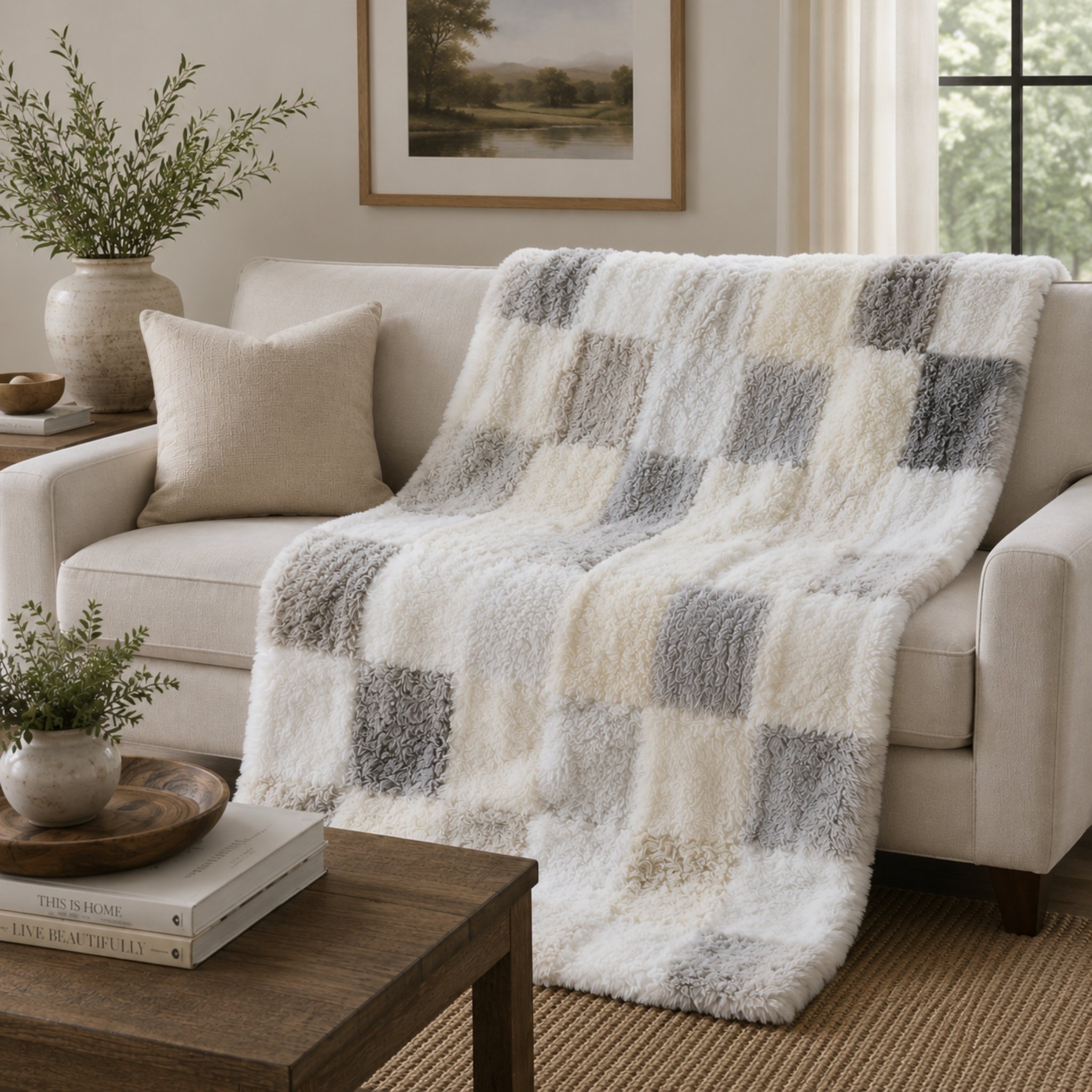
Large Throws, Area Rugs & Large Sewn Sheepskins
When a single sheepskin isn’t enough! Multiple sheepskin pelts sewn together creating throws and area rugs perfect for sofas, beds, floors, and benches. Popular sizes include the double 2-pelt & quad 4-pelt rugs
Shop In-Stock Classic Sheepskins
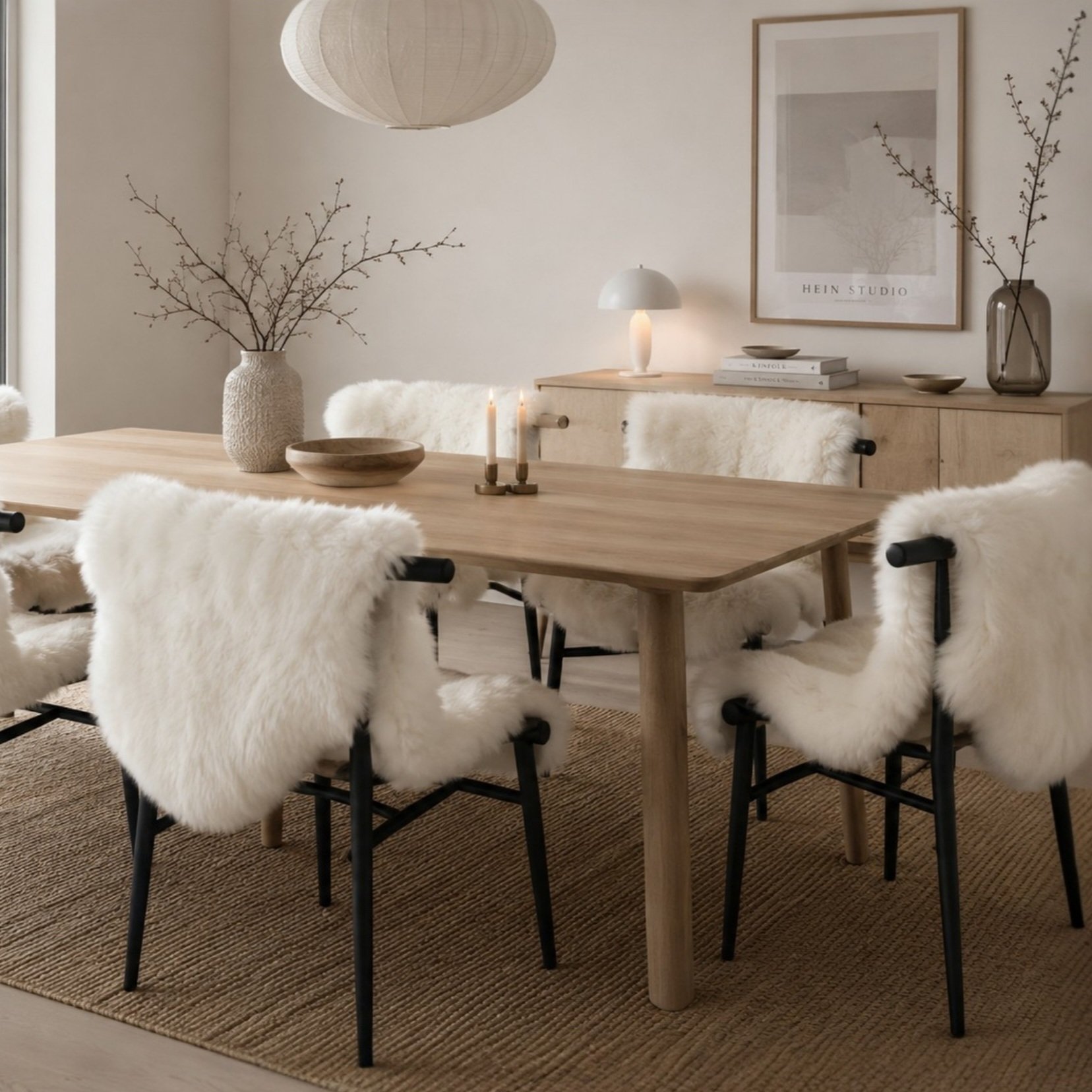
Premium Sheepskins, available year-round whenever possible
These genuine sheepskins offer the luxury of nature with more predictability in color when searching for multiple matching hides. Photography in this collection represents natural variation within each skin.
Shop by Color
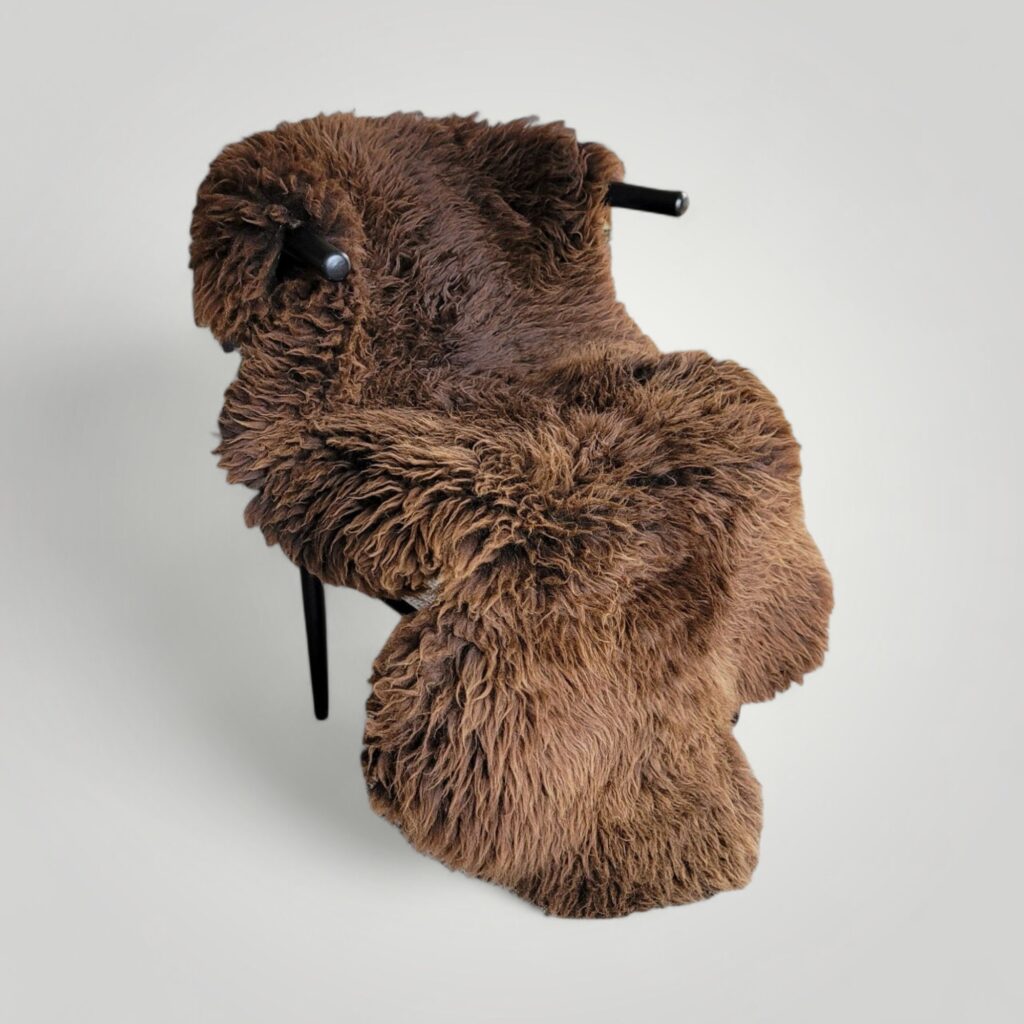
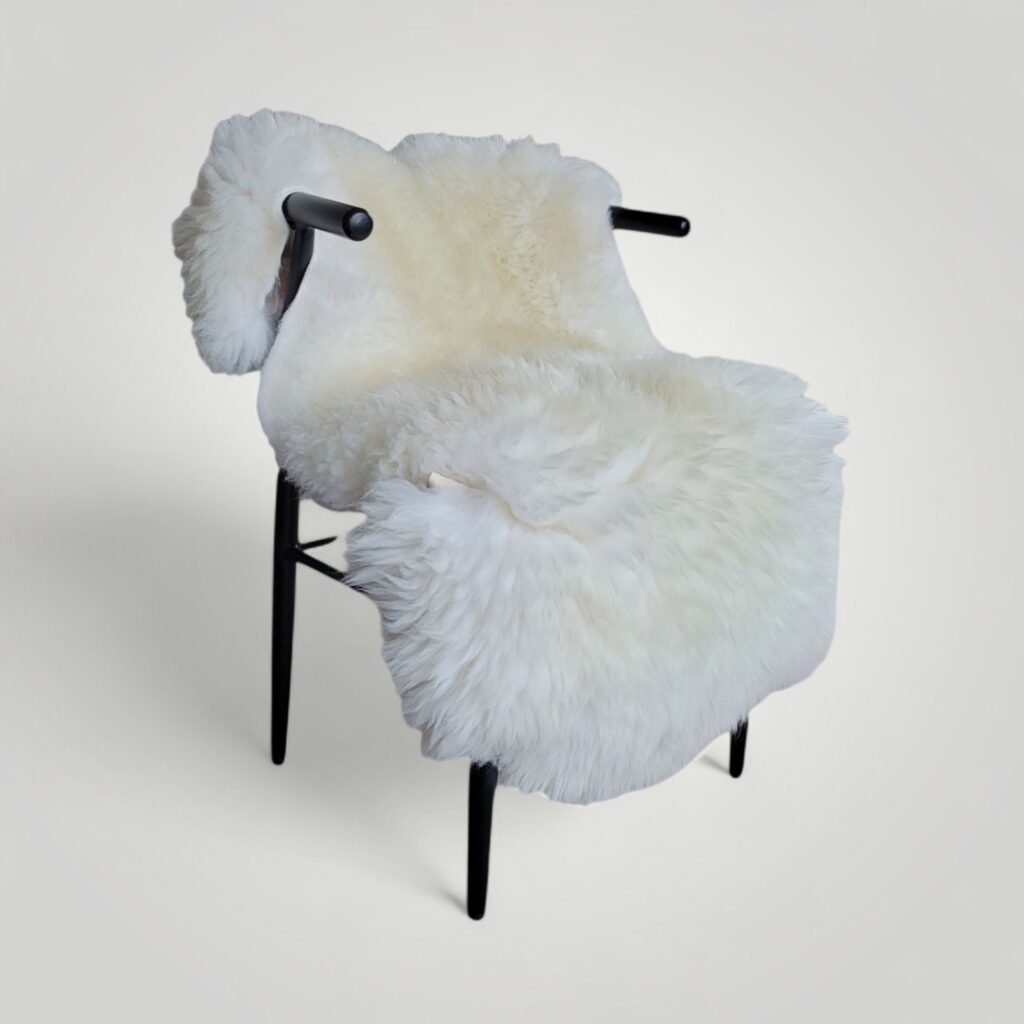
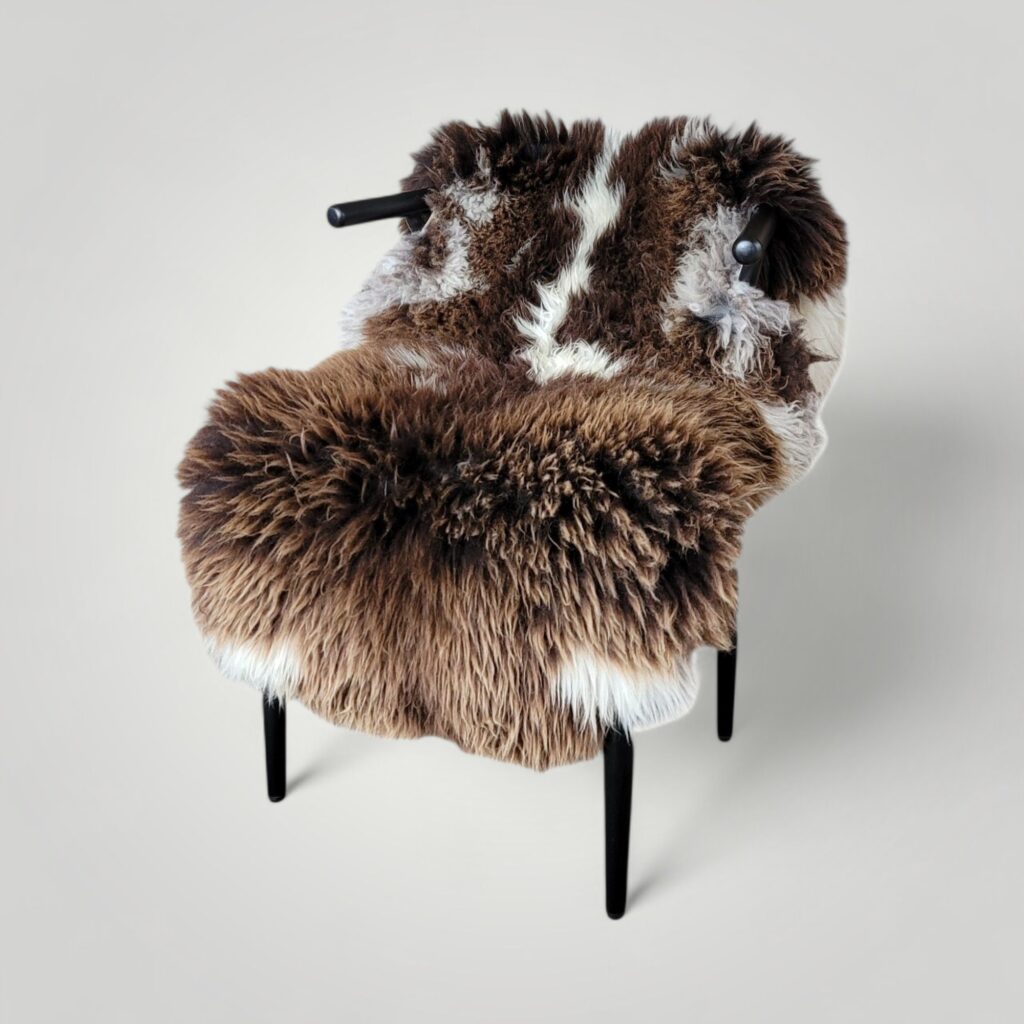
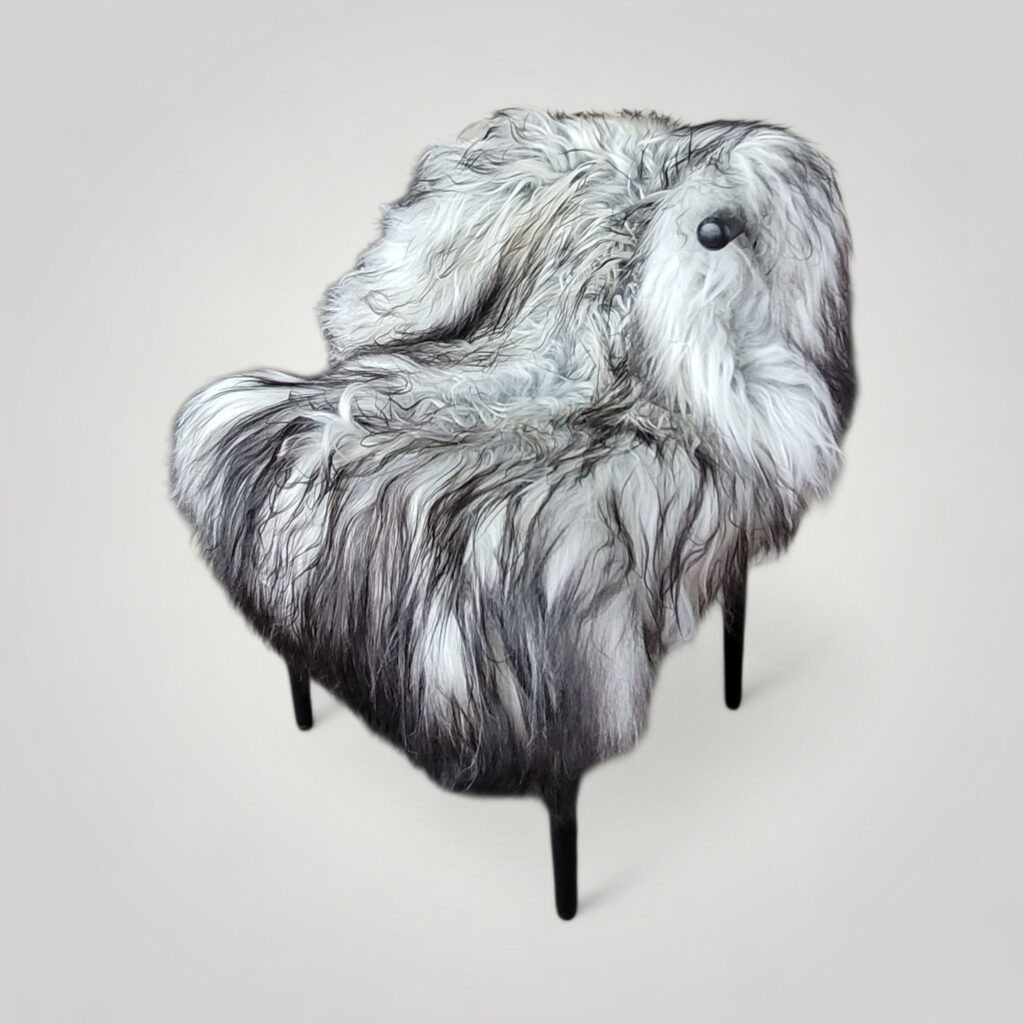
The Largest Selection of Natural Sheepskins in the USA – Each One Individually Photographed
Since 2018, Noryageur has been curating America’s most distinguished collection of genuine sheepskin rugs.
We are exclusive sheepskin rug specialists offering rugs made with real sheep and lambskin pelts selected for use on the floor or as luxurious throws throughout the home.
Our sheepskins are eco-tanned without harmful chromium, using processes that meet strict European Union environmental standards – more rigorous than U.S. regulations.
Browse our collection to find the perfect piece that brings natural beauty and sophistication to your home.
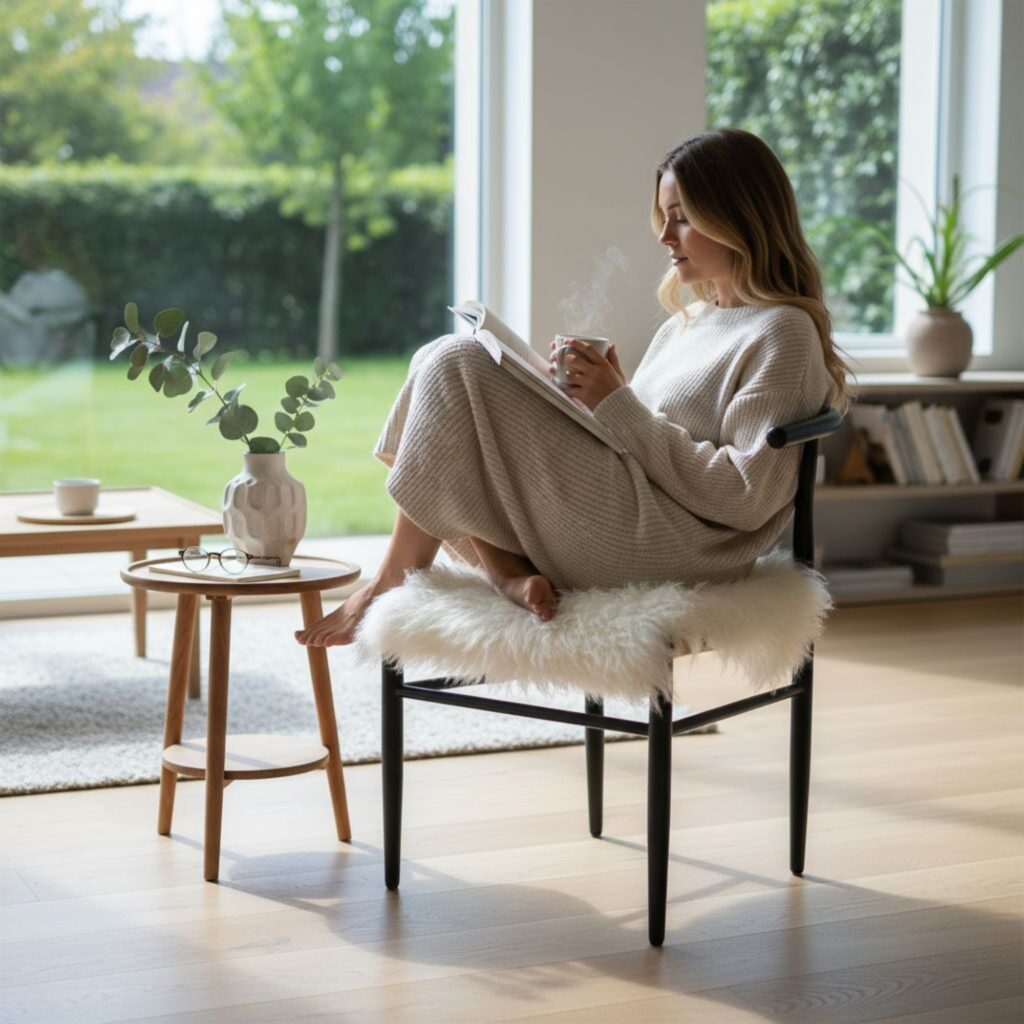
Quick Information About Sheepskins
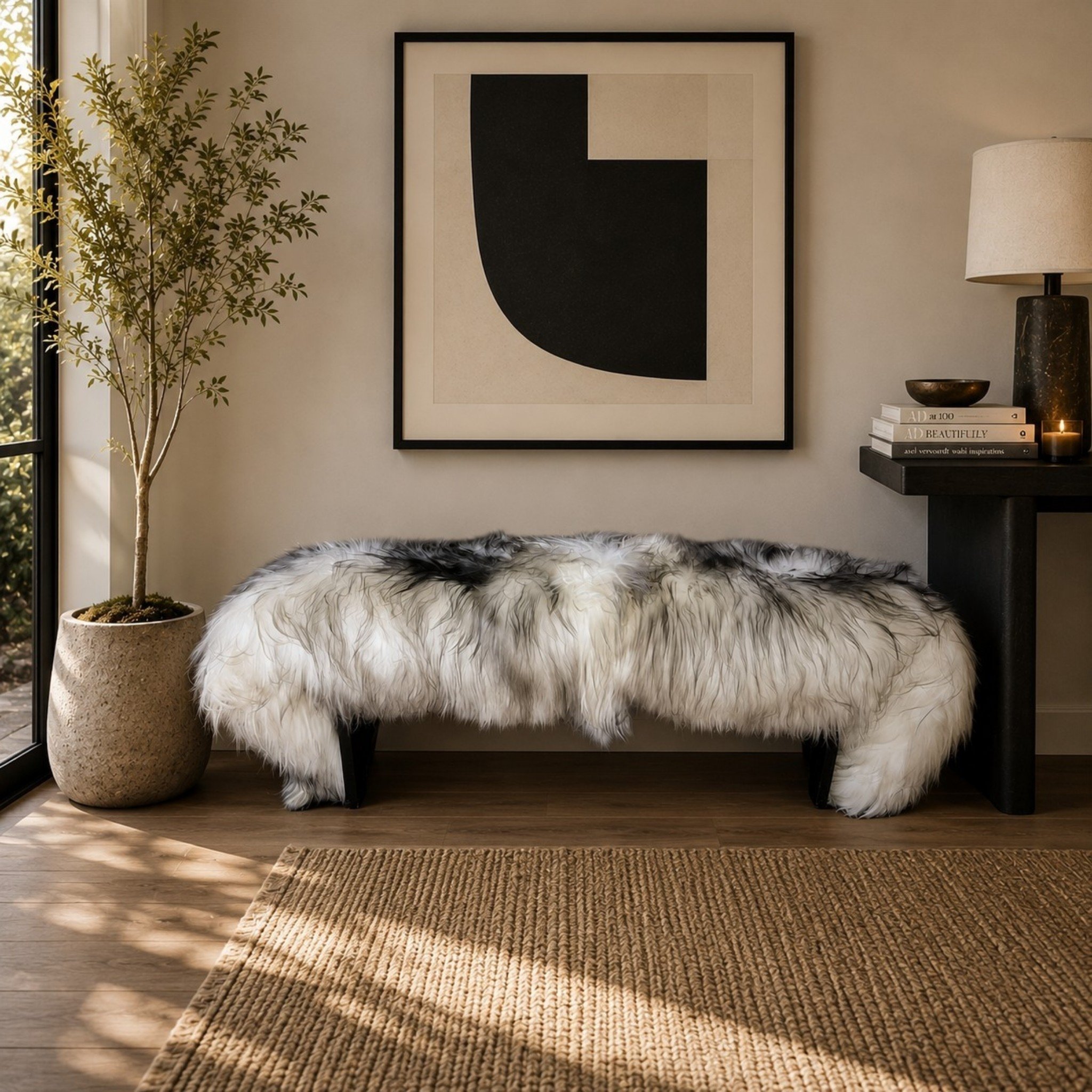
What does the backside of a sheepskin rug look like?
The backside of a sheepskin rug features a suede finish. Since these are “single face sheepskins,” we don’t expect the suede side to be flawless—it’s a natural leather surface with authentic characteristics. Each sheepskin is hand-trimmed, which means the shape and edge finish will vary from hide to hide.
Our sheepskin hides come exclusively from meticulously cared-for livestock. Each piece is “perfectly imperfect” by design—these are natural pelts created by nature, not manufactured products. The variations and markings you see are proof of authenticity and part of what makes each sheepskin genuinely unique.
