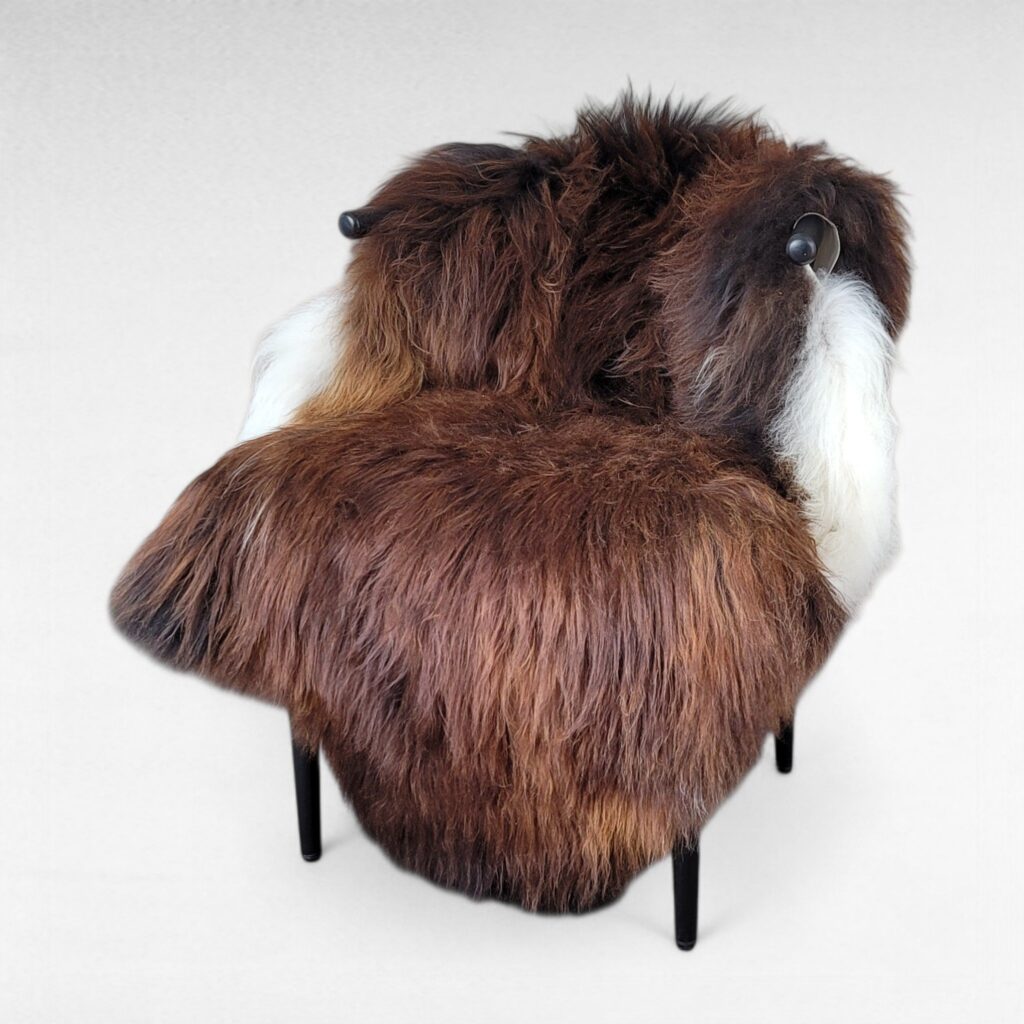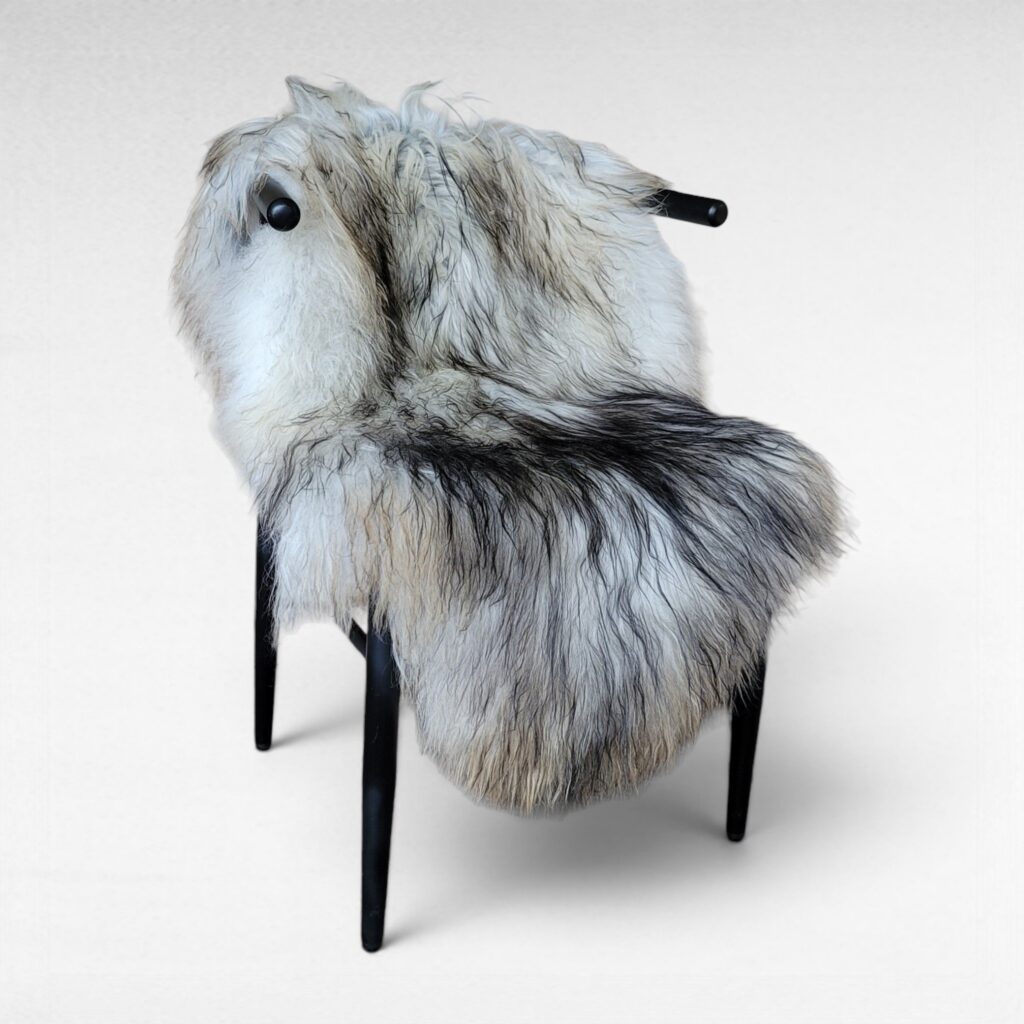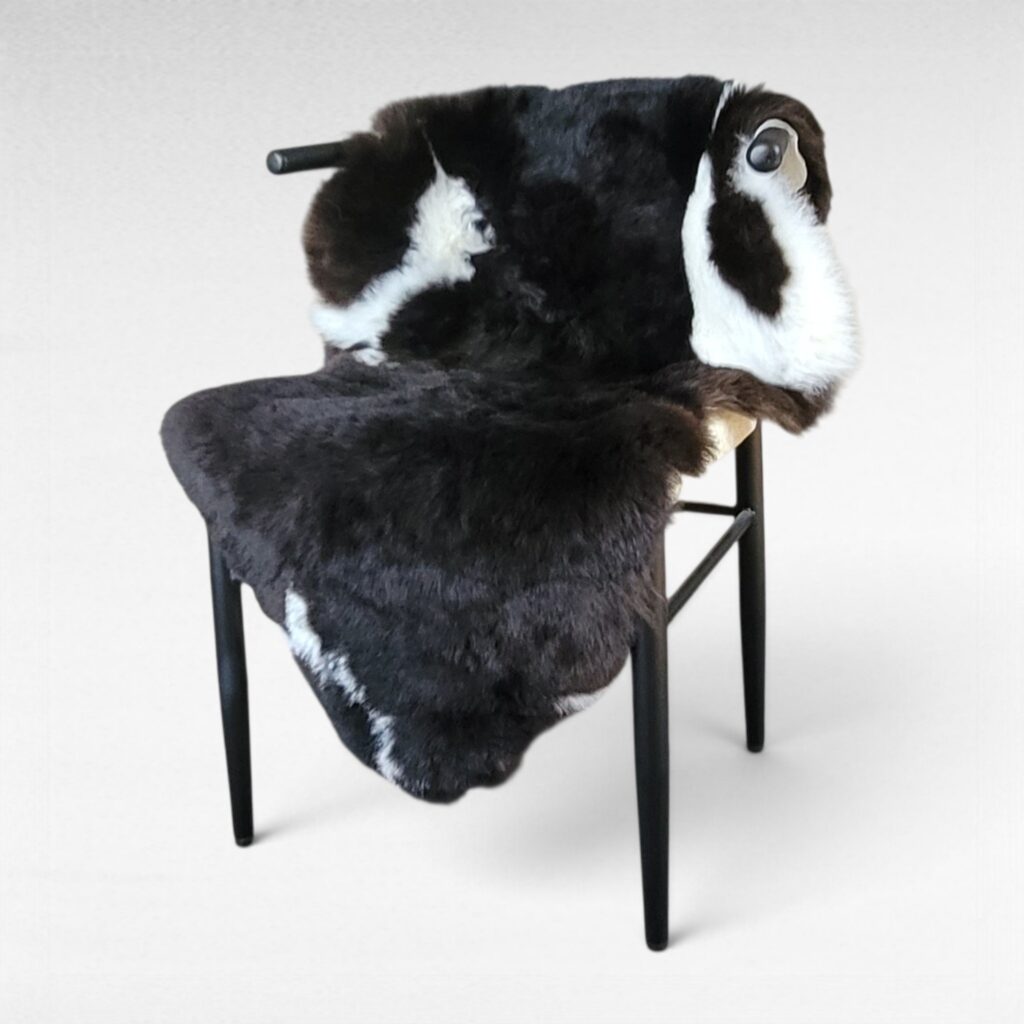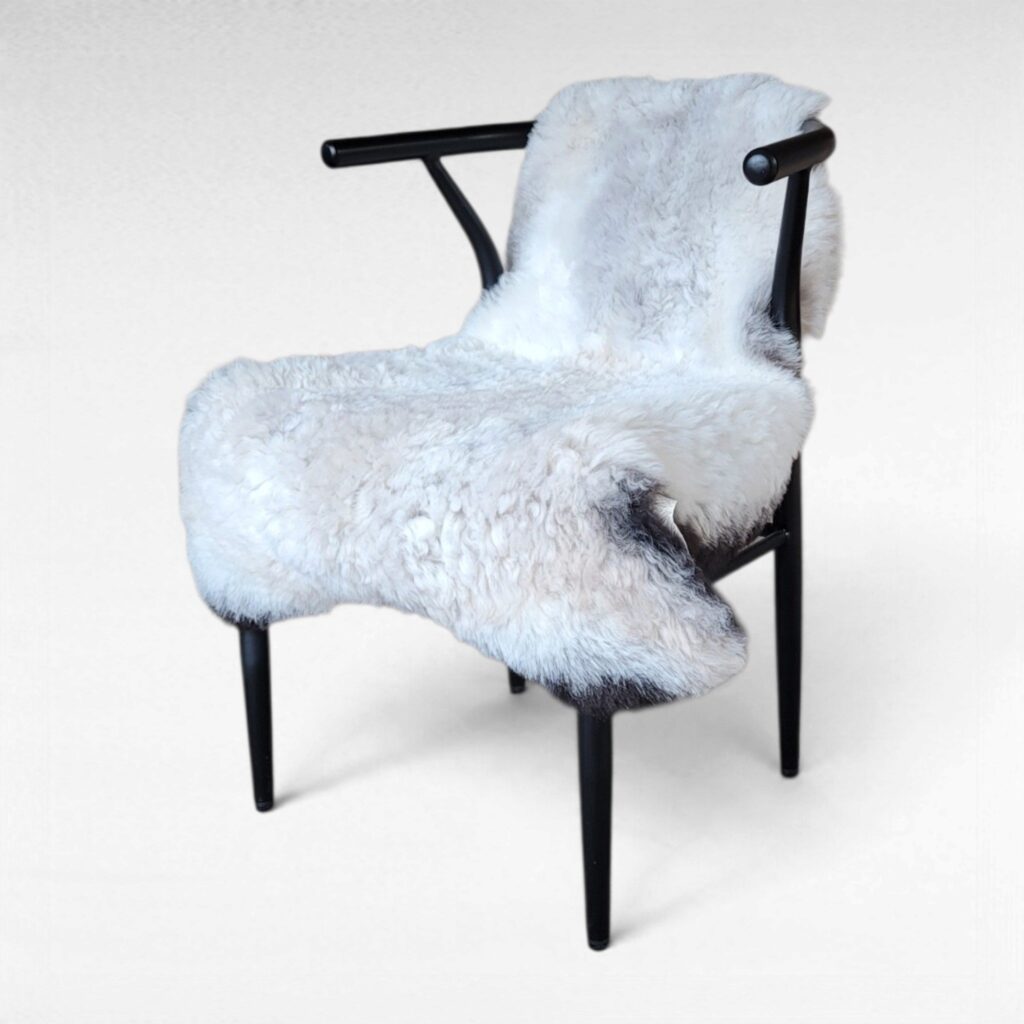
Posted on

The Early American Connection: Icelandic Hides and North America

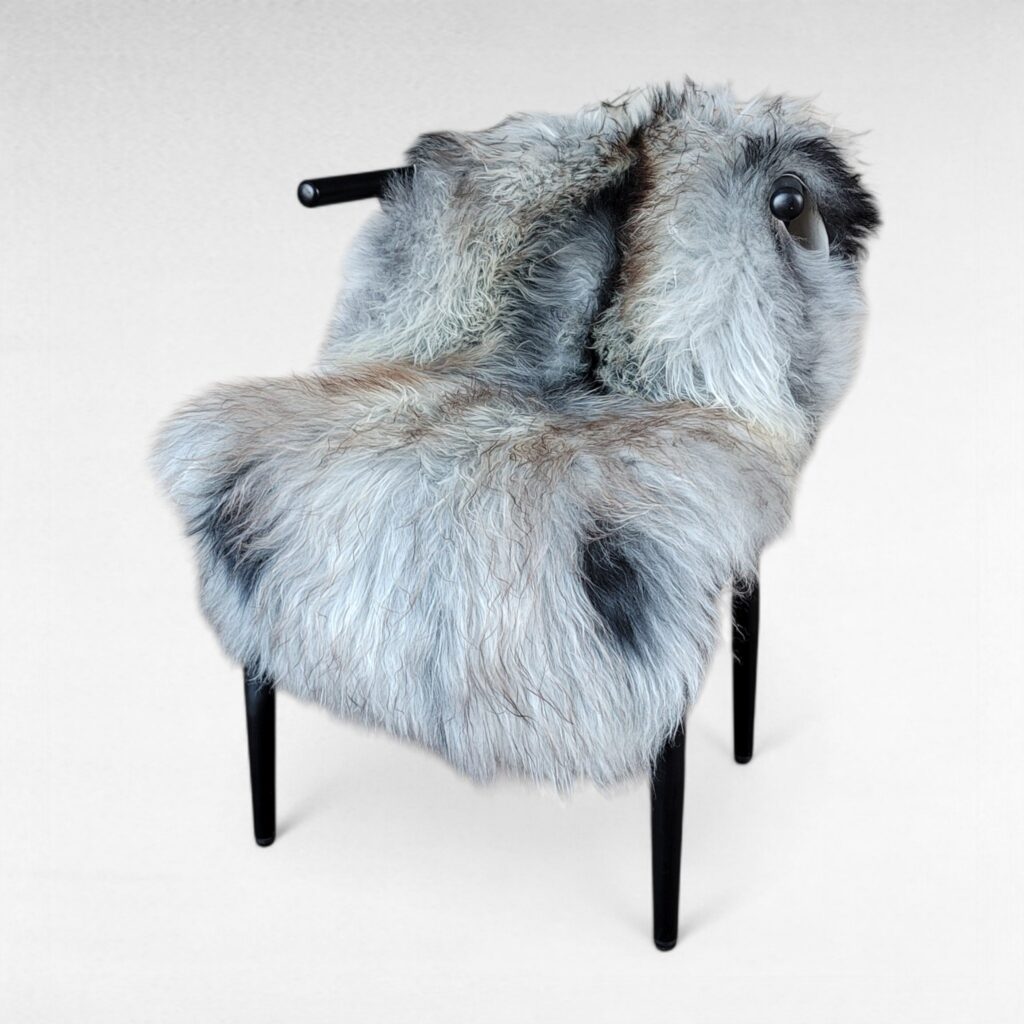
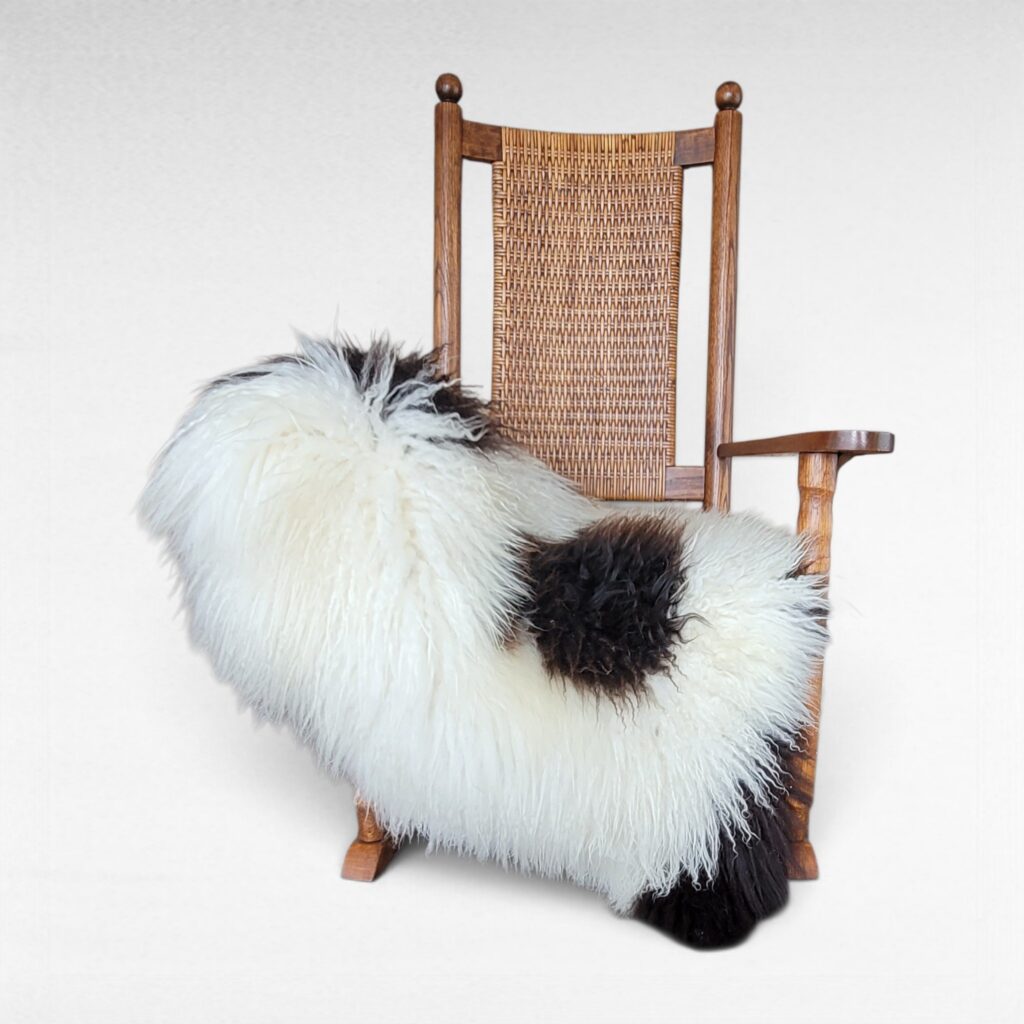
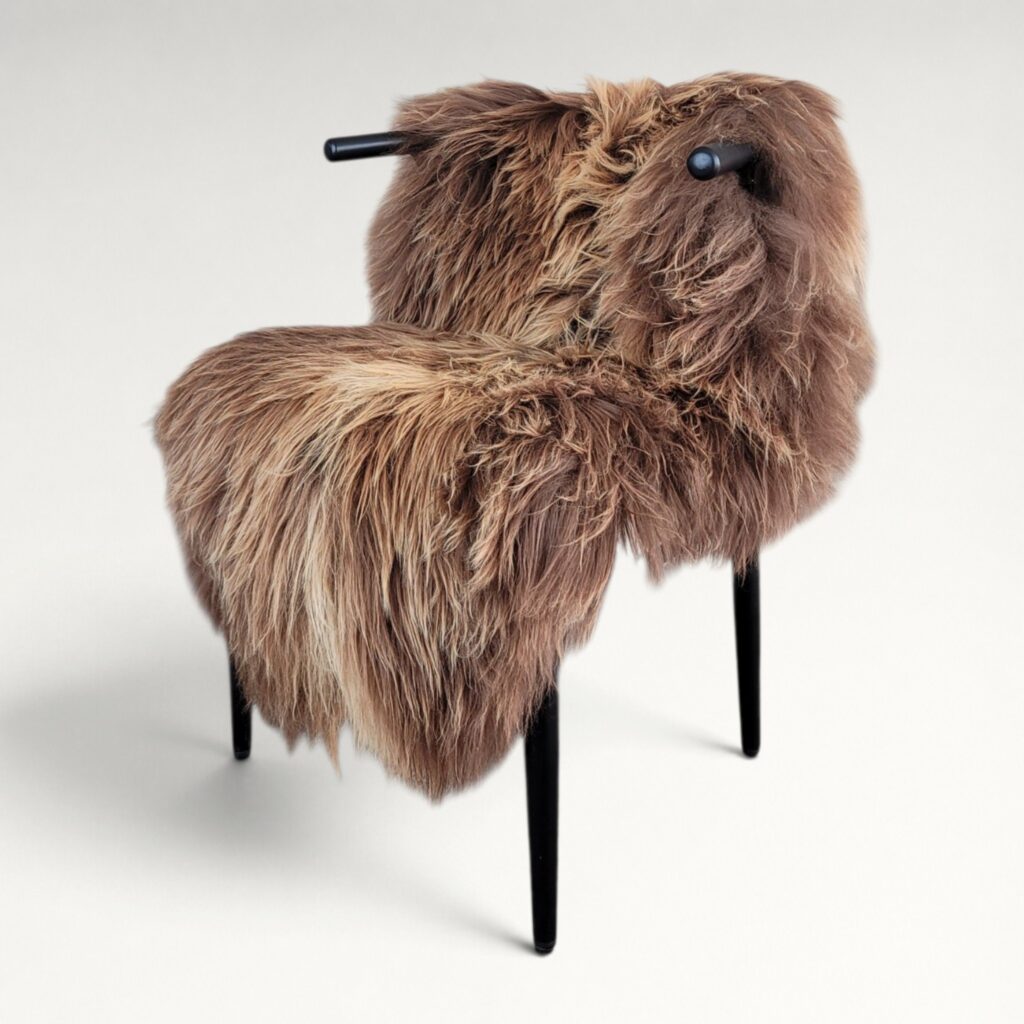
Icelandic sheepskin importers north America history

The story of Icelandic sheepskins is often told through the landscape of Iceland itself — its hardy sheep, windswept pastures, and long tradition of using every part of the animal with care and purpose. But the development of Iceland’s hide and tanning industry was also shaped by knowledge exchanged beyond Iceland’s shores.

One of the most interesting chapters in this history involves an American company, Helburn Thompson Company, which became an important buyer of Icelandic hides in the early twentieth century. Their role helped connect Icelandic raw materials with the larger North American leather trade, while also contributing to the professional knowledge that would help Iceland’s own tanning industry grow.

From Home Craft to Icelandic Industry

For generations, hide preparation in Iceland was closely tied to home craft and practical necessity. Sheep were central to Icelandic life, providing wool, meat, milk, and hides. Skins were preserved and used locally, but the methods were often small-scale and rooted in traditional household production.

As demand grew and industries modernized, Iceland began moving from home-based preparation toward organized factory production. This transition did not happen overnight. Around the late nineteenth and early twentieth centuries, professional tanning knowledge was still limited in Iceland, and Icelanders often had to look abroad to learn modern methods.

People traveled to countries such as Norway, the United Kingdom, Sweden, Finland, and Germany to study tanning, leather processing, and shoemaking. These exchanges helped Icelandic producers understand how to prepare hides more consistently, preserve them for export, and eventually create finished leather and sheepskin products on a larger scale.

Helburn Thompson and the American Market

Around the 1920s, Helburn Thompson Company became one of the significant American buyers of Icelandic hides. At the time, the company operated in a much larger and more industrialized leather market than Iceland had at home.

This relationship created an important opportunity for Icelandic industry. Thorsteinn Davidsson, an Icelander connected to the developing tannery trade, traveled to America to learn more about the preparation of hides before tanning. The American tannery was considered modern and large for its time, making it a valuable place to study commercial-scale hide handling.

This kind of knowledge mattered. Before a hide could become fine leather, suede, or fur-tanned sheepskin, it had to be properly sorted, salted, preserved, and prepared. Better pre-processing meant better results, less waste, and more value from each hide.

The Rise of Icelandic Tanning in Akureyri

In 1923, Gæruverksmiðja SÍS, the SÍS tannery factory, began operations in Akureyri under the management of Thorsteinn Davidsson. The factory first focused on salting hides for export, but its work became more diverse as Iceland’s clothing and footwear industries developed.

Over time, the factory processed tanned leather, suede, fur-tanned sheepskins, and larger hide goods. These materials supplied Icelandic clothing and footwear production and helped support a more complete domestic industry.

What had once been a home craft was becoming a professional trade. Icelandic hides were no longer simply raw materials to be preserved and shipped away. Increasingly, they were part of a larger national effort to process, finish, and use Iceland’s own natural resources with greater skill.

A Changing Industry

By the late twentieth century, the Icelandic tanning industry had changed again. Clothing and shoemaking in Iceland declined, and hides were increasingly exported, first as processed materials and later as finished goods. Suede production became especially important around the 1980s.

The Akureyri tannery continued through many changes before operations finally ended in 2006, closing an 83-year chapter in the region’s industrial history.

In more recent years, Iceland’s tannery landscape has narrowed even further. As traditional sheepskin tanning declined in Iceland, more Icelandic hides began to be processed abroad before reaching the market. This means that while Icelandic sheepskins still carry the character of Iceland’s unique sheep, the modern journey from hide to finished pelt often extends beyond Iceland itself.

Why This History Still Matters

The history of Icelandic hides is not just a story of trade. It is a story of craft, adaptation, and international exchange.

American buyers such as Helburn Thompson Company helped create demand for Icelandic hides in the North American market. At the same time, the knowledge Icelanders gained abroad helped strengthen their own tanning industry at home.

For those who appreciate Icelandic sheepskins today, this history adds another layer of meaning. Each pelt is part of a much longer tradition, one shaped by Icelandic sheep, rural craft, industrial learning, and a century of connection between Iceland and the wider world.

Icelandic sheepskins remain prized for their natural texture, long wool, durability, and unmistakable character. Their beauty begins with the animal and the landscape, but their story also belongs to the craftspeople, tanners, and traders who helped bring Icelandic hides from local use to the international market.

FAQ: Early Importers of Icelandic Sheepskin into North America

Who were the first importers of Icelandic sheepskin into North America?

The exact first importers of Icelandic sheepskin and hides into North America are not clearly documented. However, one of the earliest known American companies connected to the Icelandic hide trade was Helburn Thompson Company, a leather company that became an important buyer of Icelandic hides around the 1920s.

It is likely that Icelandic hides reached North America before this period through the broader international leather and hide trade, but the earliest clearly noted connection we have found points to Helburn Thompson Company and its role in helping develop Iceland’s professional tanning industry.

Why was Helburn Thompson Company important to Icelandic hides?

Helburn Thompson Company was more than just a buyer. Its modern American tannery gave Icelanders an opportunity to learn more advanced methods for preparing hides before tanning. This knowledge helped support Iceland’s transition from small-scale home craft to more organized tannery production.

Were Icelandic sheepskins always tanned in Iceland?

No. Iceland has a long history of hide preparation and tanning, but Icelandic hides have also been processed abroad at different points in history. As Iceland’s domestic tanning industry changed, more hides were exported for processing before reaching the finished sheepskin market.

Continue Exploring Icelandic Sheepskins

Interested in the natural beauty and texture of Icelandic pelts? Browse our current collection of Icelandic sheepskin, each selected for its distinctive wool, character, and origin.

For a deeper look at what makes these pelts so unique, read our article about Icelandic sheep, their origins and beautiful wool they produce.

Posted on

The Timeless Comfort of Sheepskin Hot Water Bottles: A Cozy Solution for Modern Living

Lady holding a handmade sheepskin hot water bottle sitting on a sofa with a blanket on her lap

There is something wonderfully reassuring about a hot water bottle on a chilly evening. Long before electric blankets and modern home heating became commonplace, people relied on simple sources of warmth to make cold days and nights more comfortable.

Today, the traditional hot water bottle remains a favorite for its simplicity, portability, and comforting warmth. Add a handmade cover crafted from genuine sheepskin, and this familiar household accessory becomes something particularly special.

A sheepskin hot water bottle cover brings together natural wool insulation, beautiful texture, and everyday practicality — a small luxury that makes slowing down at home even more inviting.

When the temperature drops and energy bills rise, many of us face a dilemma: stay warm or stay within budget. But what if there was a solution that offered luxurious comfort, saved money, and connected us to centuries of practical wisdom? Enter the sheepskin hot water bottle, a traditional remedy that’s experiencing a well-deserved renaissance.

A Brief History of Hot Water Bottles

The idea of filling a container with warm water for personal comfort dates back centuries. Early versions included metal warming vessels, while the development of rubber hot water bottles made them more convenient and widely accessible.

Generations have appreciated the uncomplicated comfort of a warm bottle, whether for taking the chill from bedding or simply enjoying a little warmth while relaxing.

Over time, fabric and wool covers became popular additions, providing an insulating layer between the bottle and its surroundings.

Genuine sheepskin offers an especially appealing interpretation of this traditional accessory, combining the practical characteristics of natural wool with its unmistakable softness.

Why Genuine Sheepskin Makes a Difference

One of sheepskin’s most useful characteristics is the natural insulating structure of its wool.

Wool fibers have a naturally crimped structure that helps trap pockets of air within the fleece. This creates an insulating layer around a filled hot water bottle, helping slow the transfer of heat.

The thickness, density, and length of the wool all contribute to the particular feel of a sheepskin cover.

Some sheepskins feature dense, plush wool that creates a substantial cushioned surface. Others, including Mongolian and Tibetan lambskins, have longer, flowing fibers that feel remarkably light and soft.

Beyond insulation, genuine sheepskin brings natural texture and individual character to an otherwise ordinary household accessory.

No two hides have precisely the same wool characteristics, making each handmade cover distinctive.

Comfort Just Because — No Ailment Required

You don’t need a particular reason to enjoy the comfort of a warm hot water bottle.

Sometimes it’s simply about settling into a favorite chair, reading a book, or enjoying a quiet evening when the temperature drops.

There’s something particularly inviting about the feel of natural wool. Its soft texture adds a sensory pleasure that goes beyond the practical purpose of keeping warm.

The gentle weight of a filled hot water bottle, surrounded by genuine sheepskin, creates a familiar and comforting addition to a relaxing evening.

In a busy world, these small everyday pleasures are worth appreciating.

The Pleasure of Long-Lasting Warmth

A genuine sheepskin cover helps insulate the warmth held within a filled hot water bottle.

Depending on the bottle, water temperature, wool thickness, and surrounding conditions, that warmth may remain noticeable for hours.

One of the pleasures of using natural sheepskin is the combination of retained warmth and a plush, inviting surface.

Whether you’re relaxing on the sofa, reading in an armchair, or spending a quiet evening at home, a sheepskin-covered bottle offers a simple way to enjoy localized warmth.

As with any hot water bottle, the rubber bottle manufacturer’s instructions should always guide its filling, handling, and safe use.

A Little Luxury for Travel and Cooler Evenings

A sheepskin hot water bottle cover can also make a lovely companion for those who enjoy simple comforts away from home.

Its natural wool folds easily around the bottle, while the cover itself can be packed separately when empty.

For a weekend at a cabin, a chilly evening in a vacation cottage, or a quiet afternoon spent reading, a handmade sheepskin cover adds a familiar touch of comfort.

Mongolian and Tibetan lambskins are particularly distinctive for their long, airy wool, lightweight feel, and flowing appearance.

Although genuine wool is resilient, these delicate, longer fibers should be protected from unnecessary friction, moisture, and repeated compression to help maintain their appearance.

Genuine Sheepskin vs. Synthetic Hot Water Bottle Covers

Both genuine sheepskin and synthetic fabric covers can provide a soft layer around a hot water bottle, but the materials have different characteristics.

Genuine sheepskin consists of natural wool attached to a tanned hide. The wool creates a naturally insulating layer, while the leather underside gives the cover its distinctive structure.

Synthetic covers are generally manufactured from textile fibers such as polyester fleece and may offer different textures, designs, and care requirements.

What makes genuine sheepskin especially appealing is its combination of natural wool, individual coloration, tactile softness, and craftsmanship.

Each piece has its own characteristics, from the density of the fleece to the subtle variations in wool texture.

For those who appreciate natural materials and distinctive handmade accessories, sheepskin offers a beautiful alternative to conventional fabric covers.

A Simple Way to Enjoy Personal Warmth

One of the greatest attractions of a traditional hot water bottle is its uncomplicated design.

Once safely filled according to the manufacturer’s instructions, it provides a portable source of warmth without needing to remain connected to an electrical outlet.

A genuine sheepskin cover adds an insulating layer and an inviting texture to that experience.

Unlike a heated blanket or stationary appliance, a hot water bottle is compact and easy to carry from room to room.

It’s a familiar everyday accessory that feels particularly welcome during the colder months.

Although personal warming accessories can complement a comfortably heated home, they are not a replacement for maintaining safe indoor temperatures.

Caring for Your Sheepskin Hot Water Bottle Cover

Genuine sheepskin requires relatively little maintenance when treated with care.

Occasional gentle shaking helps refresh the wool, while localized spot cleaning can address minor marks.

Avoid saturating the leather underside, prolonged direct heat, and unnecessary moisture. Long, straight wool may be gently brushed when appropriate, while naturally curly fleece is best maintained without brushing that alters its curl pattern.

Because the sheepskin cover and rubber bottle are separate products, they should be cared for individually.

Always follow the rubber hot water bottle manufacturer’s directions for filling, inspection, use, and replacement. Never use boiling water or a damaged bottle, and avoid prolonged direct contact or pressure that could cause burns. If using a bottle to prewarm bedding, remove it before going to sleep.

With appropriate care, a handmade genuine sheepskin cover can remain a beautiful and practical accessory for years.

A Return to Simple Comforts

In an age when so many household conveniences rely on technology, there’s something appealing about returning to uncomplicated everyday comforts.

A traditional hot water bottle requires no elaborate setup. Paired with genuine sheepskin, it becomes a distinctive accessory that brings together natural texture, practical insulation, and the pleasure of something thoughtfully made.

Sometimes the simplest comforts are the ones we return to most often.

Finding Your Perfect Sheepskin Hot Water Bottle Cover

At Noryageur, our genuine sheepskin hot water bottle covers are individually handmade in the USA using carefully selected imported sheep and lambskin hides.

Each cover reflects the natural characteristics of the material, with variations in wool texture, color, density, and appearance.

Our collection includes beautifully soft, long-wool lambskin covers as well as other distinctive natural wool textures, depending on availability.

Attention to construction, careful material selection, and the individuality of genuine sheepskin make these covers particularly appealing as personal comforts or thoughtful gifts.

Choosing the Right Cover

When selecting a genuine sheepskin hot water bottle cover, consider the texture of the wool, the overall size, and the dimensions of the rubber bottle you intend to use.

Some customers prefer the flowing texture of long-wool lambskin, while others appreciate a fuller, more closely packed fleece.

Both can provide an insulating layer and an inviting natural-wool feel.

Our product descriptions include measurements and construction details to help you choose the most suitable cover for your bottle.

Lady holding a handmade sheepskin hot water bottle sitting on a sofa with a blanket on her lap

Handmade Hot Water Bottle Covers

Crafted in the USA with Imported 100% Genuine Sheepskin Hides

Posted on

Finding Comfort in Suffering: The Unexpected Solace of Sheepskin

Sheepskin shown in bed with a person resting their legs on the wool for comfort.

Life has a way of bringing us to our knees. Whether it’s chronic pain, grief, illness, or the weight of depression, suffering is an inevitable part of the human experience. We search desperately for relief—for something, anything, to make the unbearable just a little more bearable.

Sheepskin won’t heal you. It won’t cure your pain or erase your troubles. There are no medical claims to make here, no promises of transformation. But there’s something else it offers—something quieter, more subtle, and perhaps more honest.

The Language of Comfort

Some comforts can’t be explained, only felt. When you’re in the depths of discomfort—whether physical or emotional—words often fail. But touch doesn’t. Warmth doesn’t. The simple act of being held by something soft and genuine speaks a language that goes deeper than explanation.

Sheepskin offers this kind of wordless comfort. Its dense, lofty fibers create a cocoon of warmth that seems to wrap around you with an almost intentional gentleness. When everything hurts, when the world feels harsh and unyielding, there’s something profoundly soothing about sinking into that cloud-like softness.

The Weight of Warmth

There’s a particular quality to the warmth of natural sheepskin. Its dense wool provides natural insulation while allowing air to circulate, creating an inviting combination of softness, warmth, and comfort.

When you’re suffering, even the smallest comforts can matter. A soft place to rest, a familiar texture, or a little warmth on a difficult day may offer a welcome moment of ease.

Making Misery Tolerable

Let’s be honest: some days, “tolerable” is the best we can hope for. Not joy, not healing, not relief—just making it through. And that’s okay. In those moments, the small comforts become everything.

A sheepskin throw draped over your lap during a difficult night. A soft pelt beneath your feet when getting out of bed feels like climbing a mountain. A cozy corner where you can curl up and just… exist, without judgment, without pressure, wrapped in something that asks nothing of you except to rest.

These aren’t solutions. They’re simply companions in the suffering—quiet witnesses that make the hard moments a fraction more gentle.

The Indescribable Quality

There’s something about natural materials that our bodies recognize on an instinctive level. Perhaps it’s the thousands of years humans have sought comfort in wool and hide. Perhaps it’s the way natural fibers interact with our skin, our warmth, our need for softness in a hard world.

Whatever it is, it can’t quite be put into words. You have to feel it—the way the dense wool yields under your touch, the way it cushions without collapsing, the way it seems to hold you without constricting you. It’s comfort that doesn’t announce itself but simply remains, steady and soft, for as long as you need it.

A Small Kindness

When suffering feels endless, we often forget that we deserve gentleness. We push through, grit our teeth, steel ourselves against the pain. But maybe—just maybe—we could also allow ourselves small kindnesses. Small comforts that don’t fix anything but make the journey a little less harsh.

A sheepskin won’t cure what ails you. But it might offer a soft place to collapse when you need one. It might provide warmth when everything else feels cold. It might make the misery, even if just for a moment, a bit more tolerable.

And some days, that’s enough.

At Noryageur, we believe in the power of natural comfort. Our sheepskins are sourced with care and offered with the simple hope that they might bring a moment of softness to your day—whatever that day may hold.

Posted on

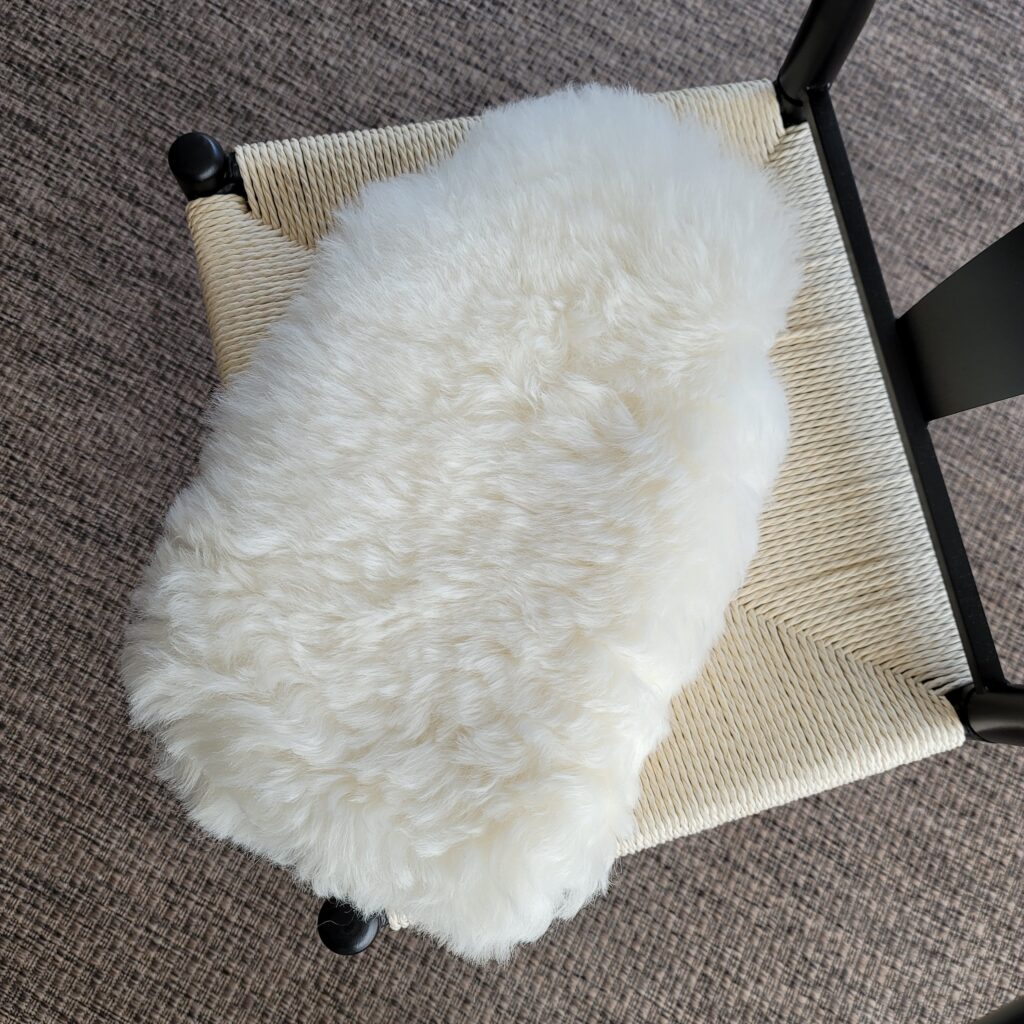
The Timeless Appeal of Classic White Sheepskin

women sitting in chair that's covered with a big white sheepskin with a large window in the background

There’s a reason white sheepskin has remained a design staple for centuries. While trends come and go, the classic white sheepskin endures as one of the most versatile and beloved natural materials in home décor. But what makes it so universally appealing?

The Ultimate Design Chameleon

The true magic of a white sheepskin lies in its remarkable ability to blend effortlessly into virtually any style, any space, any vision. Whether your home leans toward minimalist Scandinavian simplicity, rustic farmhouse charm, modern industrial edge, or traditional elegance, a white sheepskin feels perfectly at home. It’s the rare piece that never clashes, never overwhelms, and always enhances.

This adaptability makes white sheepskin an investment piece that transcends fleeting trends. As your tastes evolve and your décor changes over the years, your sheepskin remains relevant, moving seamlessly from room to room, style to style.

A Symphony of Natural Whites

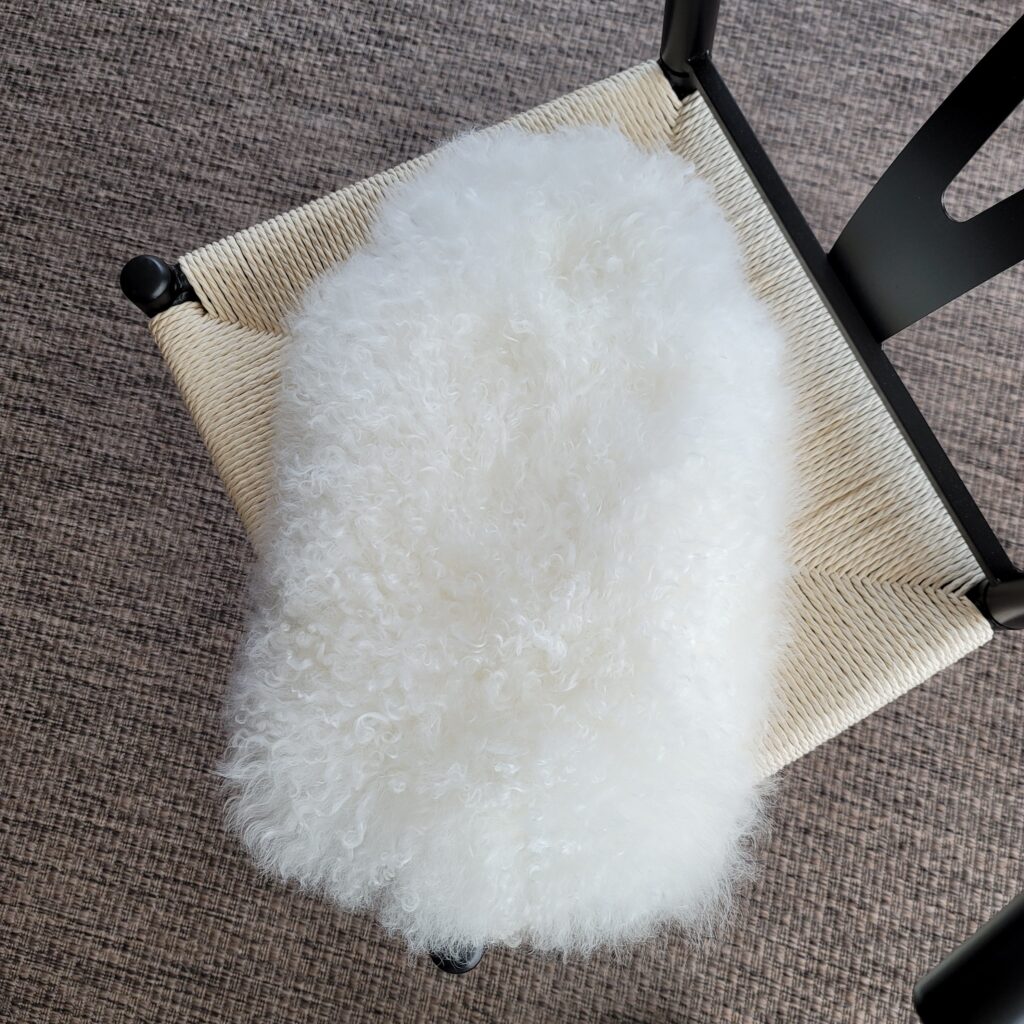
Here’s something many people don’t realize: classic “white” sheepskin isn’t actually one color at all. These beautiful natural hides showcase a gorgeous spectrum of warm, organic tones that bring depth and character to any space.

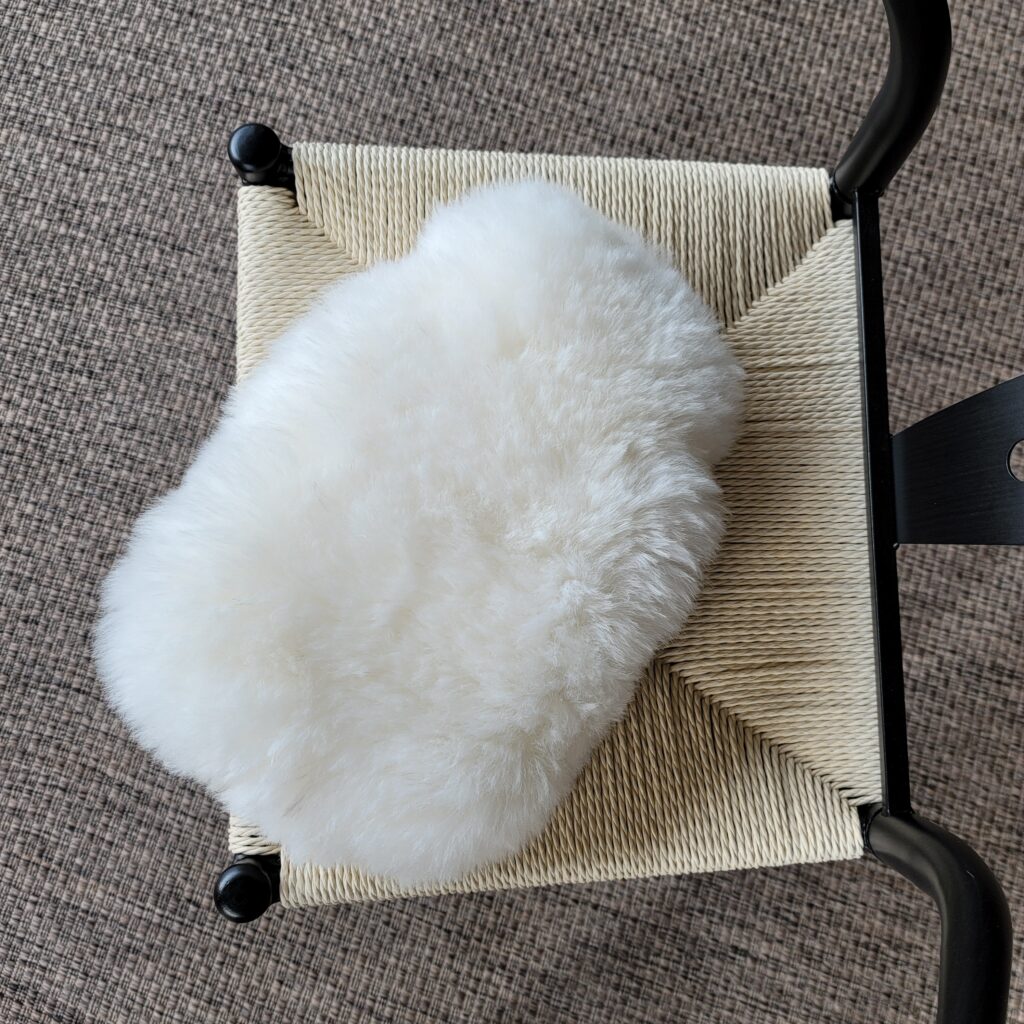
You’ll find sheepskins in buttery cream that adds warmth to cool-toned rooms, natural ecru with its subtle earthiness, and soft ivory that glows in natural light. A true stark white is actually quite rare in genuine sheepskin—and that’s precisely what makes these pieces so special. The natural variation in tone means each sheepskin has its own unique personality, with subtle shifts in color that catch the light beautifully throughout the day.

Texture That Transforms

Beyond color versatility, white sheepskin brings an irresistible tactile element to your home. The plush, luxurious texture invites touch and creates an immediate sense of comfort and coziness. Draped over a chair, layered on a bed, or placed beside the fireplace, sheepskin adds dimensional warmth that flat textiles simply can’t match.

Light and Airy

White and cream tones naturally reflect light, making rooms feel brighter and more spacious. This makes white sheepskin particularly valuable in smaller spaces, darker rooms, or areas where you want to create an open, airy atmosphere. The soft, neutral palette opens up possibilities rather than limiting them.

Natural Beauty, Naturally Sustainable

Genuine sheepskin is a renewable, biodegradable material that brings the beauty of nature directly into your home. Unlike synthetic alternatives, real sheepskin breathes, regulates temperature naturally, and develops a beautiful patina over time. The subtle color variations aren’t imperfections—they’re proof of authenticity and natural origin.

Styling Your White Sheepskin

The beauty of white sheepskin is that there’s no wrong way to use it:

  • Layer it over a modern leather sofa for unexpected textural contrast
  • Drape it across the foot of your bed for hotel-worthy luxury
  • Place it on a reading chair to create an instant cozy nook
  • Use it as a soft landing spot beside your bed
  • Style it over a bench in your entryway for welcoming warmth

A Forever Piece

In a world of fast furniture and disposable décor, a quality white sheepskin is a piece you’ll treasure for years, even decades. It works with your current style and will work with whatever comes next. It’s an heirloom in the making, a foundational piece that grounds your space while allowing everything else to shine.

The classic white sheepskin isn’t just great—it’s essential. It’s the piece that makes a house feel like a home, that adds that final layer of warmth and welcome. And in its beautiful spectrum of creams, ecrus, and ivories, it brings the perfect touch of natural elegance to any space it graces.

Posted on

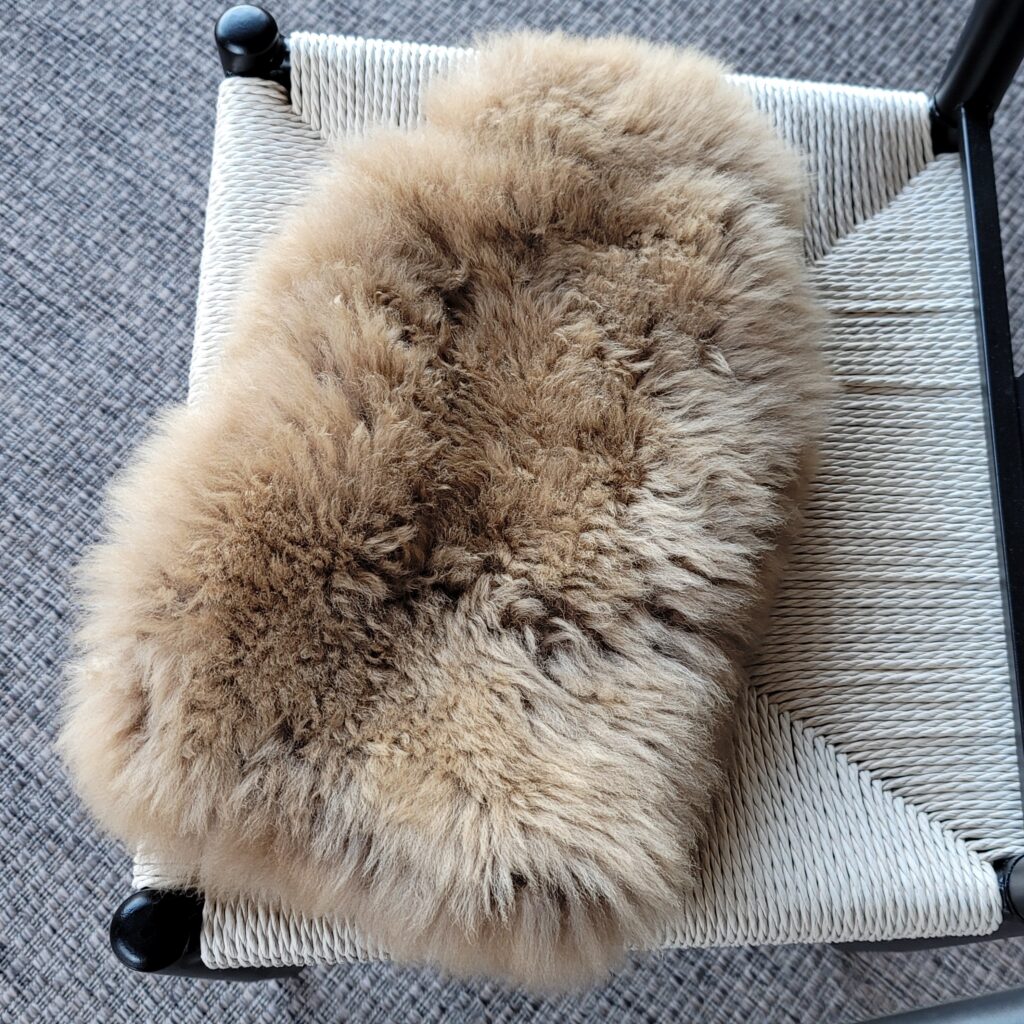
The Underrated Power of Brown Sheepskin in Your Home

Woman sitting in a chair that has a big lofty brown sheepskin in the seat with a decorative shelf and fireplace in the background.

When it comes to sheepskin, white often steals the spotlight—but brown sheepskin deserves its moment to shine. Rich, versatile, and surprisingly adaptable, brown sheepskin brings a warmth and practicality to your home that might just make it the smarter choice for many spaces.

The Color That Goes With Everything

Here’s a secret that interior designers have known for ages: brown is one of the most universally flattering colors you can bring into your home. Believe it or not, brown works beautifully with just about any color palette you can imagine!

Brown sheepskin looks absolutely fabulous paired with:

  • Greens – creating an organic, nature-inspired sanctuary
  • Blues – from navy to turquoise, the warmth of brown balances cool tones perfectly
  • Gold and brass – for a luxurious, sophisticated vibe
  • Reds and oranges – amplifying cozy, autumnal warmth
  • Neutrals – adding depth and richness to beige, gray, and cream schemes
  • Even purple, pink, and other unexpected hues – brown’s earthy nature grounds bolder colors beautifully

The magic of brown is that it’s a true neutral drawn from nature itself. Just as tree bark, rich soil, and weathered wood harmonize with any landscape, brown sheepskin integrates seamlessly into virtually any color scheme.

The Practical Advantage: Timeless Beauty That Lasts

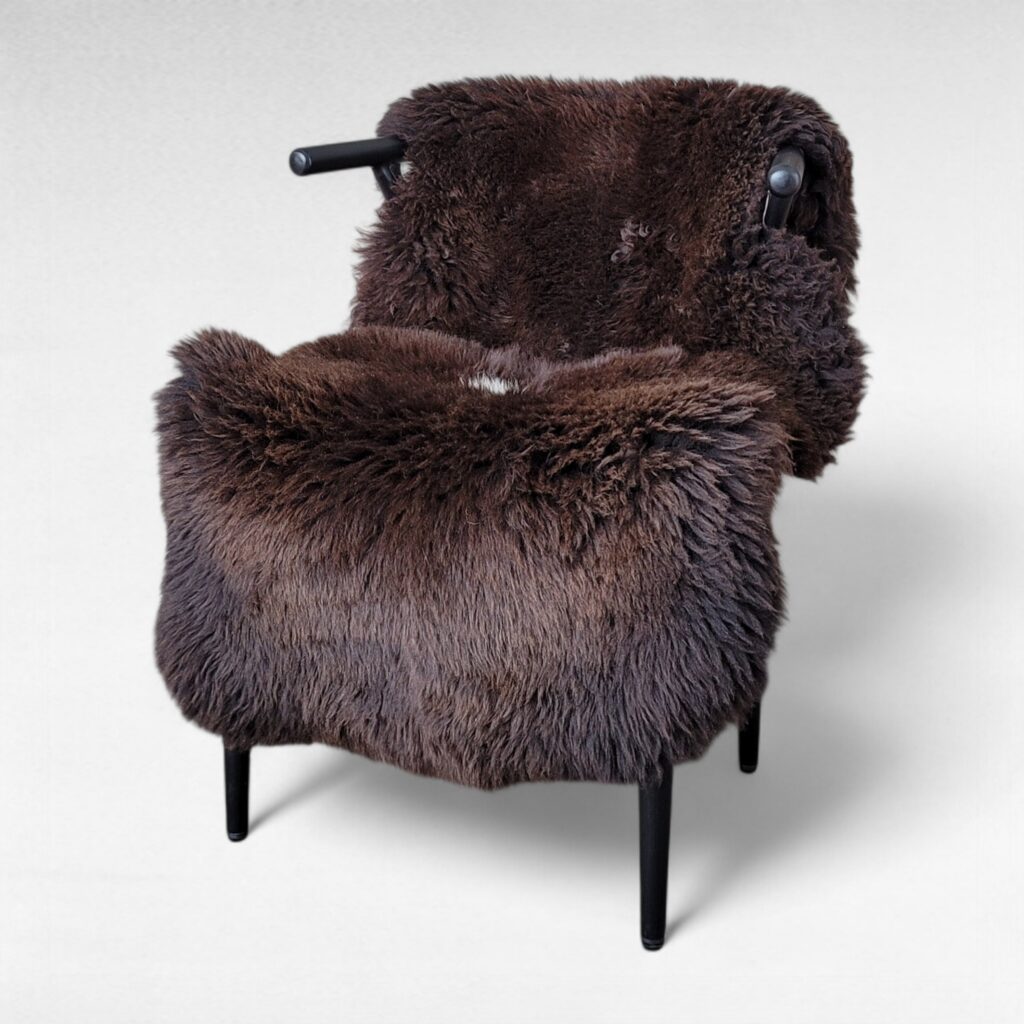
Let’s talk about something white sheepskin owners rarely mention—over time, natural white sheepskin can develop a yellowish tint caused by oxidation. It’s a natural process, but it can diminish that fresh, pristine look you fell in love with.

Brown sheepskin? It sidesteps this issue entirely. The rich, natural brown tones won’t show aging or oxidation, meaning your sheepskin continues looking beautiful year after year. For high-traffic areas, homes with kids and pets, or anyone who wants gorgeous décor without constant maintenance worries, brown sheepskin is the smart, practical choice that stays looking good longer.

Warmth and Welcome

There’s something inherently comforting about brown. It’s the color of chocolate, coffee, warm wood, and autumn leaves—all things that make us feel cozy and at home. Brown sheepskin brings this psychological warmth into your space, creating an environment that feels genuinely inviting and lived-in (in the best possible way).

Unlike stark white, which can sometimes feel clinical or precious, brown sheepskin creates instant coziness. It’s approachable, warm, and beckons you to curl up and stay awhile.

Easy Care for Real Life

Brown sheepskin is exceptionally easy to care for. Those inevitable little mishaps, dust, and everyday wear? They’re far less visible on brown than on lighter colors. A quick shake outdoors and occasional spot cleaning is usually all you need to keep your brown sheepskin looking fresh and inviting.

This low-maintenance makes brown sheepskin is perfect for:

  • Family rooms where life really happens
  • Homes with children or pets
  • Entryways and mudrooms
  • Any space where you want luxury without the fuss

Comfort at the End of a Long Day

After hours on your feet, hunched over a computer, or chasing after life’s demands, your body craves comfort. Brown sheepskin provides therapeutic relief for your achy muscles and tired body like nothing else.

The natural cushioning supports pressure points, while the plush wool fibers create a soft landing for weary limbs. Sink into a chair adorned with brown sheepskin, and you’ll feel the day’s tension melt away. Place one beside your bed, and your feet will thank you every morning and night. The natural temperature-regulating properties of genuine sheepskin keep you comfortable in any season—cool in summer, warm in winter.

Styling Brown Sheepskin

Brown sheepskin brings versatility and visual warmth to any room:

  • Living Room: Drape over your favorite reading chair for the ultimate relaxation spot
  • Bedroom: Layer across the foot of your bed in rich, chocolate tones for boutique hotel vibes
  • Office: Transform a hard desk chair into a comfortable workspace that supports you through long days
  • Rustic Spaces: Brown sheepskin amplifies cabin and farmhouse aesthetics naturally
  • Modern Interiors: The organic texture provides perfect contrast to sleek, contemporary lines

The Bottom Line

Brown sheepskin offers the best of all worlds: stunning versatility that works with any color, practical durability that ages gracefully, effortless maintenance, and genuine comfort that soothes your body after demanding days.

While white sheepskin will always have its place, brown sheepskin is the unsung hero of home décor—equally beautiful, far more forgiving, and just as luxurious. It’s the piece that works harder, lasts longer, and welcomes you home with open arms (or soft fibers) at the end of every day.

Ready to embrace the warm, practical elegance of brown? Your home—and your tired body—will thank you.

Posted on

Icelandic Sheepskin & Lambskin: What Makes Icelandic Wool So Unique?

brown 6-pelt Icelandic sheepskin area rug used on floor in living room

If you’re searching for the finest long hair wild woolly sheepskins available, look no further than Icelandic sheepskin! Noryageur specializes in these extraordinary Icelandic hides that come from a truly unique animal. Continue reading below to see why these outstanding skins are so fabulous!

Why Are Icelandic Sheep and Their Sheepskins So Special?

Icelandic Sheep are a Heritage Breed

Icelandic sheep are a heritage breed that has evolved in relative isolation since Viking times, over 1,100 years of natural selection. The Iceland sheep are hearty animals have adapted to withstand the country’s harsh, unpredictable weather. This breed of sheep hasn’t just survived, it has thrived! Icelandic sheep are a multi purpose sheep breed producing meat, milk and fiber. Their pelts are a by-product and the sheep are never killed solely for the use of their hides. Icelandic sheep produce a very unique wool, like no other. They have a coarse outer layer that’s water resistant and a soft woolly insulation layer below.

The Icelandic sheep arrived with Norse settlers around 874 AD and have remained one of the world’s purest sheep breeds ever since. Because Iceland strictly limits imported livestock, the breed has remained remarkably unchanged for more than 1,100 years. Over centuries of harsh weather, volcanic landscapes, and long winters, Icelandic sheep developed the unique dual-coated fleece that makes Icelandic wool so prized today.

To this day one interesting fact remains, the country of Iceland only has one sheep breed, the Icelandic Sheep! No other breeds of sheep are allowed to protect the Icelandic sheep’s ancestral purity!

For a deeper look at the trade history behind these pelts, read our article on the early history of Icelandic hides in North America.

A Nation of Sheep

There are more sheep than people in Iceland! During winter months, approximately 500,000 Icelandic sheep roam the countryside, swelling to 800,000 during the summer season. Even more remarkable, Iceland has only one sheep breed in their entire country, the pure Icelandic sheep. This singular focus ensures genetic consistency and exceptional quality across the breed.

The Free-Roaming Advantage: Beyond Organic

True Free-Range Living

Icelandic sheep raised in Iceland are free roaming animals since they’re on an island which acts as a natural fence. The sheep can be seen living free across Iceland’s vast open land. Their natural herding behavior keeps them within their regional areas with minimal to no confinement.

Unlike the USA and many other countries, Iceland has no natural predators threatening the sheep population. This predator free environment allows the sheep to live relatively stress free lives.

The Traditional Réttir: Iceland’s Annual Sheep Roundup

Icelandic sheep lamb naturally in the open lands during spring, and their young remain wild alongside them until fall. The traditional sheep roundup, known as réttir, begins in September and can run through early October. This centuries-old tradition brings communities together as farmers and volunteers on horseback gather the free-roaming flocks from mountains and valleys, sorting them among local farms. This sustainable, natural lifecycle is part of what makes Icelandic sheepskins so exceptional.

Beyond Organic: The Purest Sheepskins Available

The Icelandic sheep that our sheepskins come from are raised with 100% natural grazing on wild grasses, herbs, and vegetation. They have are not raised with:

  • No pesticides or herbicides
  • No grain or commercial feedlots
  • No GMOs
  • No growth hormones or antibiotics

Essentially, these sheep are beyond organic, they represent nature at its purest. The animals live as they have for over a thousand years, feeding on Iceland’s pristine vegetation and drinking from crystal-clear glacial streams.

What makes Icelandic sheep’s wool different from other wools?

Exceptional Dual-Layer Fleece

Icelandic sheep possess a unique dual-layered fleece system that evolved to protect them from Iceland’s extreme climate. This is why buying an Icelandic sheepskin that was from a sheep raised in Icelandic is important to fully embrace what Icelandic’s sheep’s wool is all about! Not every Icelandic sheepskin is equal and much depends on where the animal was born, raised and treated.

Outer Layer (Tog):
Long slightly coarse wool that has water-resistant guard hairs that give the Icelandic sheep’s wool a unique texture that sheds rain and snow.

Inner Layer (Thel):
Soft, insulating undercoat that provides exceptional warmth

This dual-coat structure creates the signature appearance of Icelandic sheepskin rugs—long, flowing, lustrous wool with incredible depth and texture. The long fibers give Icelandic sheepskins their characteristic shaggy, luxurious appearance that sets them apart from other sheepskin varieties.

Icelandic Sheepskin vs Traditional Sheepskin

FeatureIcelandic SheepskinTraditional Sheepskin
Wool Length4–8″+ (unless shorn)1–3″
AppearanceFlowing and naturalDense and uniform
Fiber StructureTog + ThelSingle fleece
StyleScandinavian, rustic, modernTraditional

Quick Facts About Icelandic Sheepskins

What natural colors are Icelandic sheep?

While Icelandic sheep are most commonly white or cream-colored, you can also find stunning natural variations including:

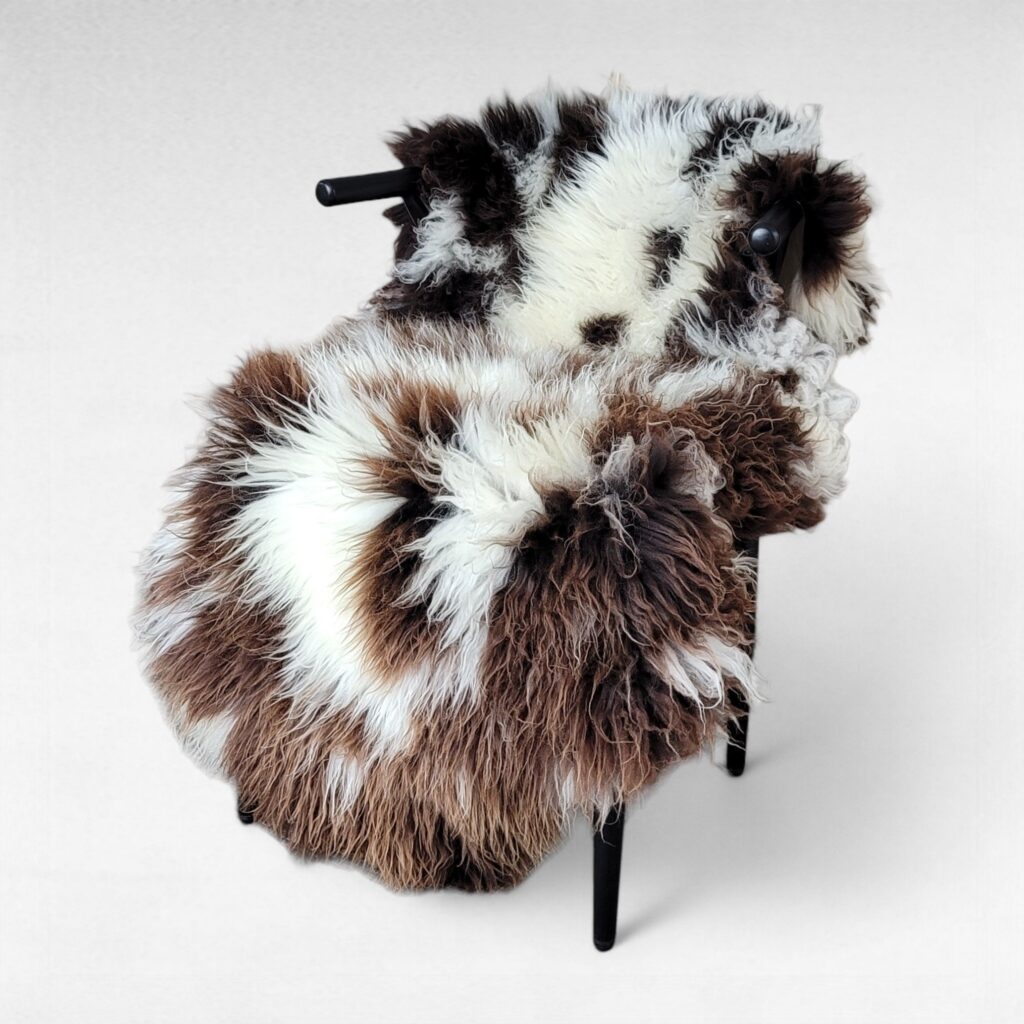
Spotted or piebald patterns (brown and white, black and white)

Solid black which often with some white or gray hairs

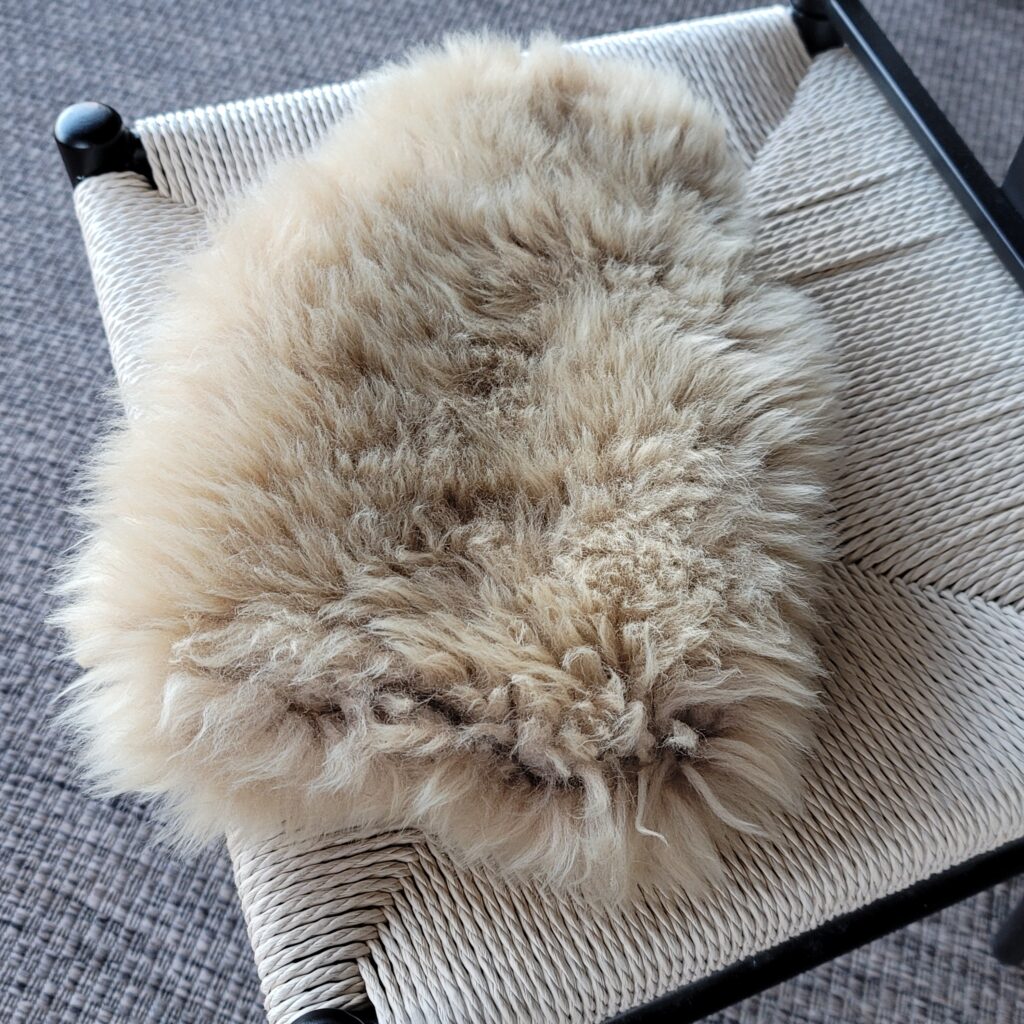
Rich brown tones ranging from a dirty blonde to a deep ginger and everything in between

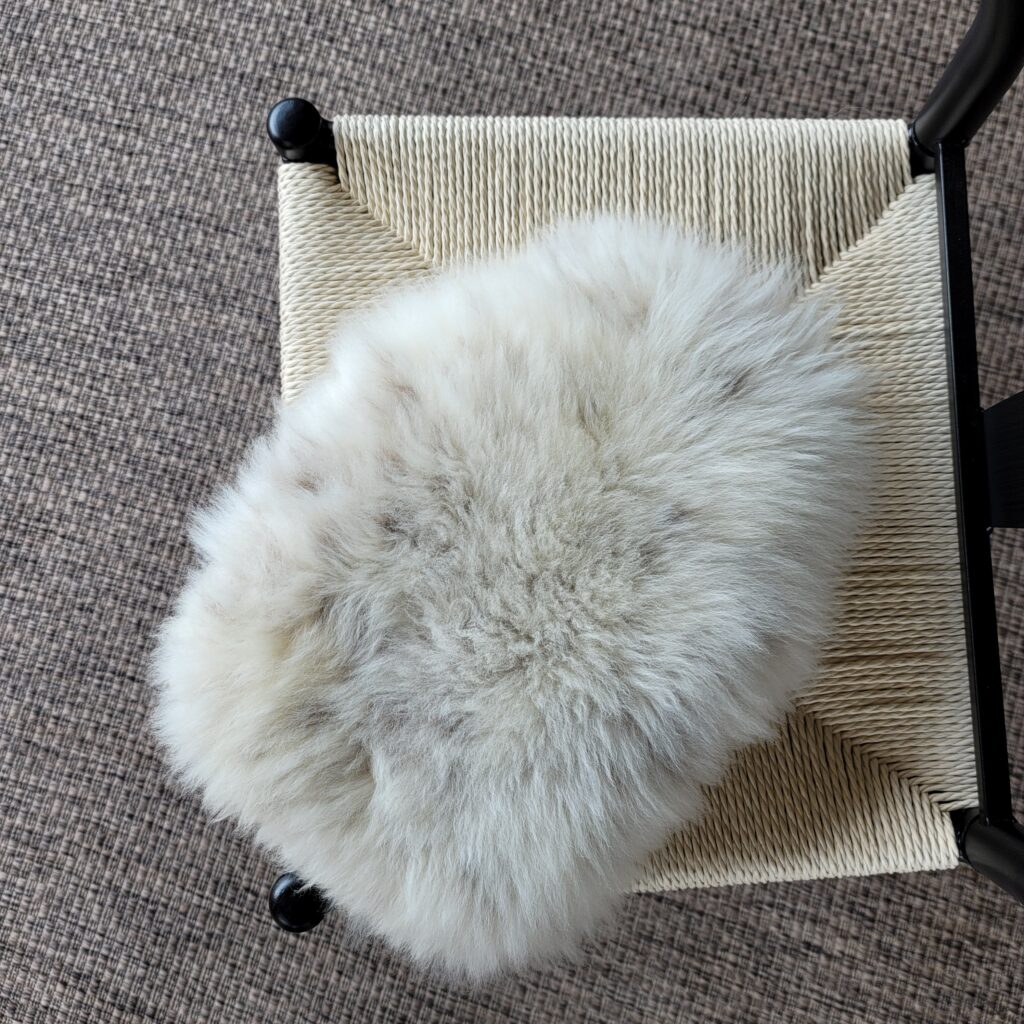
Elegant gray shades often with a unique marbling of color which includes browns, creams grays and black colors

Moorit (a beautiful reddish-brown color)

How do I keep an Icelandic sheepskin fluffy and beautiful?

The Importance of Regular Brushing

To maintain the luxurious, fluffy appearance of your Icelandic sheepskin rug’s long wool, periodic brushing is essential. Here’s why and how:

Why Brush Your Icelandic Sheepskin?

The long fibers of Icelandic wool can naturally compress over time with use, especially in high-traffic areas. Regular brushing:

Restores volume and fluffiness to compressed fibers

Removes surface dirt and debris before it settles deep into the wool

Prevents matting and tangling of the long fibers

Maintains the natural loft that makes Icelandic sheepskin so inviting

Enhances the rug’s appearance, keeping it looking fresh and new

Extends the lifespan of your pelt

How to Brush Your Icelandic Sheepskin Rug

Choose the right tool: Use a pet slicker brush, a specialty sheepskin brush, or a wide-toothed metal comb designed for long-haired fabrics

Brush gently: Work in the direction of the wool growth, using gentle strokes to avoid damaging fibers

Be patient with tangles: If you encounter matted areas, work through them slowly with a comb, never pulling or yanking. *Please note, tangles will generally never happen unless your sheepskin is neglected and has no routine maintenance for a very long time*

Shake it out: After brushing, take the rug outside and give it a good shake to remove loosened dirt and restore volume

Frequency: Brush your Icelandic sheepskin every 1-2 weeks for rugs in regular use, or monthly for decorative pieces

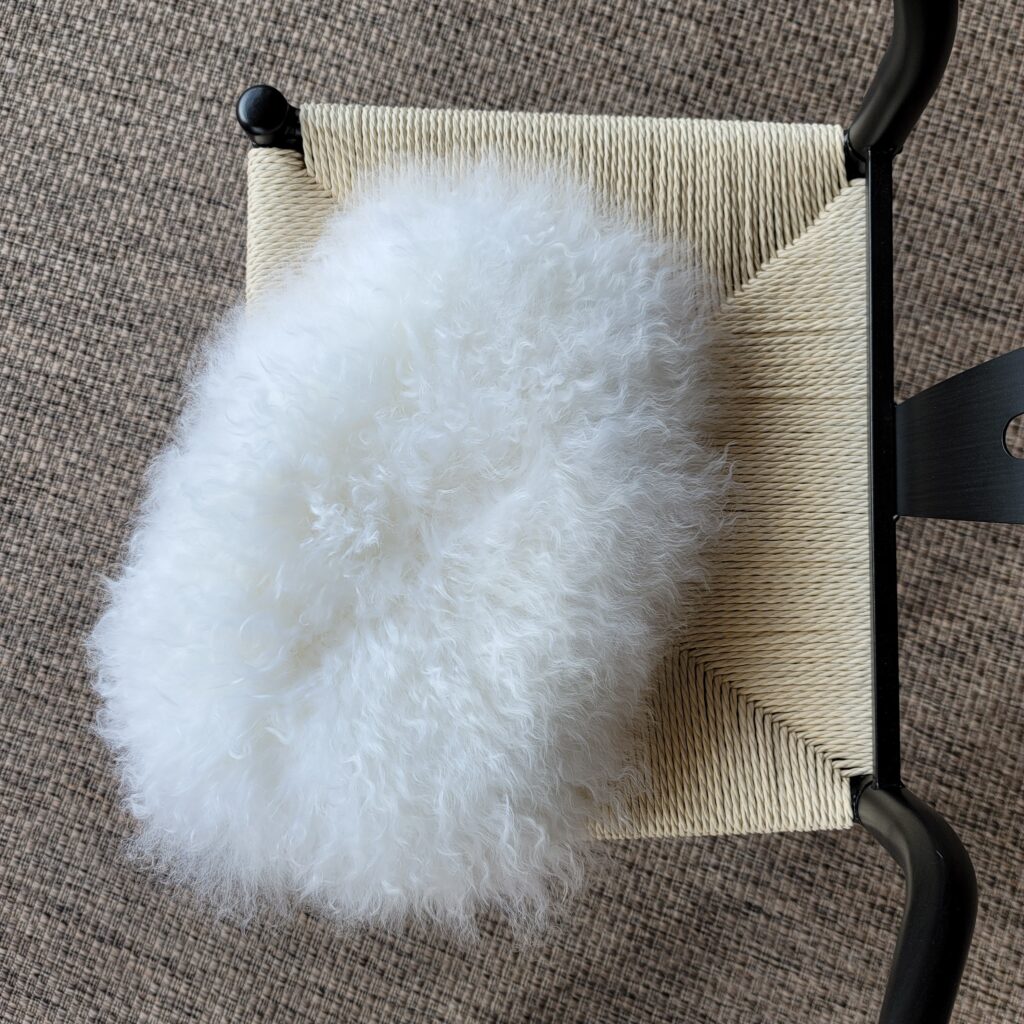
Curly sheepskins should NOT be brushed or they will become frizzy! Similar to human hair brushed that’s super curly! Simply shake and air them out as needed.

How do I remove stains and clean an Icelandic sheepskin?

Spot clean spills immediately with cold water and a damp cloth, do not scrub, wipe in one direction. This is important to prevent felting your sheepskin!

Icelandic wool is water resistant and they tend to shed water more than absorb it, which is great news so they rarely become stained!

Air out regularly by hanging outside on a frigid winter day (the colder the better)

Vacuum carefully using the hose attachment, not the beater bar. We find shaking and brushing out your sheepskin is highly effective compared to vacuuming.

Why Choose an Icelandic Sheepskin?

Durability Meets Luxury

Icelandic sheepskins are renowned for their exceptional durability. The same genetic traits that help these sheep survive Iceland’s harsh winters translate into incredibly resilient, long-lasting hides. With proper care, an Icelandic sheepskin rug can last years.

Natural Temperature Regulation

The unique fiber structure of Icelandic wool provides excellent insulation while remaining breathable. These rugs:

Keep you warm in winter by trapping body heat

Stay cool in summer by wicking away moisture

Create year-round comfort for any climate

Hypoallergenic and Healthy

Natural sheepskin is:

Naturally hypoallergenic and resistant to dust mites

Antibacterial with self-cleaning properties

Chemical-free when sourced from Icelandic sheep

Sustainable and Ethical

Choosing Icelandic sheepskin supports:

Traditional farming practices dating back over 1,000 years (no pesticides, organically raised and free roaring since sheep in Iceland do not have natural predators on the island and the land acts as a natural fenced area.

Sustainable agriculture with minimal environmental impact

Ethical animal husbandry with free-roaming, naturally raised livestock

Zero waste philosophy, utilizing byproducts from meat production

How do I decorate with an Icelandic Sheepskin?

These versatile, beautiful rugs work wonderfully in numerous applications:

Bedroom: Drape over the bed for texture, or place beside the bed for warm bare feet

Living room: Layer on sofas and chairs for cozy seating, or use as a luxurious floor rug

Home office: Add comfort to desk chairs

Meditation space: Provide natural cushioning for floor sitting

Photography: Use as a beautiful, textured backdrop

Click here to view how customers are styling their homes with sheepskins

Why add an Icelandic Hide to your home?

Investment in Quality: The Value of Icelandic Sheepskin

While Icelandic sheepskins may represent a higher initial investment than mass-produced alternatives, they offer unparalleled value:

Longevity: Years of use with proper care

Unique beauty: Each piece is one-of-a-kind

Superior quality: Lush, long, luxurious hairy wool

Ethical sourcing: Peace of mind from humane, sustainable origins

Timeless appeal: Never goes out of style

Icelandic sheepskin rugs represent more than just home decor, they’re a connection to ancient traditions, pristine nature, and uncompromising quality. From the free-roaming sheep of Iceland’s wilderness to the luxurious rug gracing your home, each piece tells a story of heritage, sustainability, and natural beauty.

By choosing an Icelandic sheepskin rug and caring for it properly through regular brushing and maintenance, you’re investing in a truly special piece that will bring warmth, comfort, and timeless elegance to your space for years to come.

Icelandic Sheepskin compared against other skins we offer

⭐ Heritage breed
Icelandic
Most voluminous
Holland
Lightest weight
Mongolian
OriginIceland1,100+ yr heritage breedNetherlandsTanned in PolandTibet / ChinaRaised in open grasslands
Wool styleLong, wild & flowingDual-layer: coarse outer + soft innerDense, lofty & plushThick pile, cushion-like feelCurly, silky & airyNatural crimped locks
Softness
Luxuriously soft
Very soft & plush
Silkiest of all three
DensityMediumSubstantial feelHeaviestWon’t bottom out~8 oz / hideFeather-light & slinky
Typical size42–58″ longSingle pelt hides & Multi-pelt blankets & area rugs available45–59″ longAmong the largest available38-40″ single peltMulti-pelt throws available
ColorsWhite, gray, brown,
black, moorit, spotted
White, cream,
brown, spotted
White, natural multicolorSeasonal availability
How raisedFree-roaming IcelandNo predators, no pesticides, beyond organicNetherlands farmsNaturally raised, minimally processedTibetan grasslandsFree-range, certified natural farms
Hypoallergenic✓ Yes✓ Yes✓ Yes
Best useFloor rug, chair drape,
statement décor
Floor rug, seating pad,
max plush coverage
Lap throw, shawl,
sofa accent, garments
MaintenanceBrush regularlyShake & air out; spot cleanShake & air outSpot clean as neededLow maintenanceDo not brush — shake only
Price range$150 – $975$165 – $295$125 – $597
Shop Icelandic → Shop Holland → Shop Mongolian →

Ready to experience a touch of nature in your home? Browse our unique collection of Icelandic Skins today!

Posted on

Biggest reasons people are unhappy with their new sheepskin, not just from us but all stores that sell sheepskin rugs online

Noryageur Genuine Sheepskin Rug

When it comes to purchasing a new sheepskin rug, customers expect nothing less than pure comfort and satisfaction. However, a small percentage of individuals find themselves unfamiliar with what an actual sheepskin rug is and don’t realize each piece is totally unique and natural and become dissatisfied with their new sheepskin purchase, not just from us but from various stores that sell these luxurious rugs.

We created a list below, so you’re able to avoid being dissatisfied when buying a sheepskin rug, whether from us or another retailer.

  1. Important for customers with monochrome or very white interiors! One of the biggest reasons behind dissatisfaction is the color of the sheepskin, especially when buying a natural white sheepskin! People shop for a white sheepskin rug and what they don’t realize is that a natural white sheepskin will NEVER look like an artificial white color. Customers, especially ones with very white interiors will experience a more deep creamy white color. If you have a monochrome interior and want a bright white sheepskin, we recommend our Mongolian Lambskin, these are the whitest sheepskins on the market! Customers having warm tones throughout their home are generally satisfied with their natural white sheepskin since most of the creamy color is absorbed into the warm colors that surround it and they become less pronounced and blend effortlessly into your home. To make a sheepskin look similar to artificial white, it needs to be bleached, dyed, or treated, which we do not do here at Noryageur. Very rarely, we’ll have a very white sheepskin, in which we will put that right in the title “very white sheepskin”. Natural white Mongolian are the whitest natural white sheepskins followed by Icelandic Sheepskins.
  2. The color of the sheepskin fades or changes, leaving customers dissatisfied with the overall appearance. Dyed sheepskins commonly fade when exposed to the sun or UV light which can show orange when the original color was brown, green when the original color was gray and so on. A dyed sheepskin’s color can bleed in the event it has to be spot cleaned due to a spill. Dry cleaning is generally the only mode of upkeep of a dyed sheepskin rug. It’s important to keep dyed sheepskins out of direct sunlight or they will fade over time like other artificial colored products.
  3. Some customers may discover that their rug sheds excessively. Several factors may cause the excessive shedding of the rug, such as processing the lamb while molting or the need for more grooming to slow down the wool loss. Most shedding is very light and will stop quickly with regular care. We brush each sheepskin prior to shipment, so we haven’t ever had this complaint. If we have an excessive shedding sheepskin, we simply state it in the product details so the customer knows prior to purchase. Transparency really goes a long way with customer satisfaction!!!
  4. Another common issue revolves around sizing discrepancies. Customers may find that their purchased sheepskin rug does not fit their desired space as expected and/or isn’t as big as they had “imagined”. The industry standard is to measure sheepskins on the wool side at the fur’s longest points (as seen on our FAQs page), not the leather side of the pelt. This can lead to confusion, especially on websites that do not show clear sizing or measurement photos. It’s also important to keep in mind sheepskins are not a manufactured product. Sizing will never be exact or consistent since they’re a natural organic pelt shape. Once again, we really don’t have this issue since we go above and beyond and show each product we sell measured so our clients are informed prior to purchase.
  5. Some individuals experience difficulties maintaining and cleaning their sheepskin rugs because they fail to maintain it from the time it’s new, and often wait a year before they even explore how to upkeep their sheepskin rug! You can see our cleaning instructions on our FAQs page and on the card that’s included with your sheepskin. Upkeep is very simple as long as you shake and brush it out once a month. It’s important to follow the care instructions from the retailer you purchased or plan on purchasing your sheepskin from for proper cleaning. Different tanning styles may require different methods. As a general rule, wetting real leather is not good and only under extreme circumstances should a sheepskin rug be submerged in water. Your sheepskin will never be the same if you use this method and it will reduce the lifespan of your sheepskin.
  6. It’s not as soft as I thought it would be! This is very tough for big retailers who do not list each sheepskin individually! We do our best to describe the feel of each sheepskin on the product detail page, so this really isn’t an issue for us. Each sheep breed and sheep’s wool will vary depending on location and climate. The feel can range from silky soft, soft to touch with a woolly feel, or soft with a medium coarse feel. Infrequently, a sheepskin, especially from a harsh environment, may feel scratchy to the skin. We often recommend these sheepskins for use on the floor or as an accent piece.
  7. I thought the sheepskin would be thicker! Once again, this really isn’t an issue for us since we take time to photograph each sheepskin prior to purchase. We also created a simple way for you to compare how thick your sheepskin will be overall (you can view this on every product detail page or on our FAQs page). A sheepskin pelt is unique and can vary depending on age, breed, location, and climate.

The Noryageur difference:

When it comes to sheepskin rugs, we understand that each piece is unique and deserves individual attention. That’s why we go the extra mile to provide you with a personalized service that big box stores simply cannot offer.

At our store, we take pride in capturing the essence of 98% of our sheepskin rugs we offer for sale through individual photos. This allows you to see the exact rug you will be purchasing, ensuring that there are no surprises when it arrives at your doorstep. No two sheepskins are alike, and we believe that showcasing their distinct characteristics is essential in making an informed decision.

Unlike big box stores where you may only have generic images to rely on, our commitment to providing high-quality photos gives you a true representation of the exact sheepskin throw or rug you are interested in. You can examine the texture, color variations, and overall appearance up close before making your purchase.

By offering this level of service, we aim to provide an unparalleled shopping experience for our customers. We understand that investing in a sheepskin rug is not just about functionality but also about adding warmth and style to your home. With our individual photos, you can confidently choose a sheepskin rug that perfectly matches your taste and preferences.

So why settle for mass-produced options when you can have a truly unique piece? Experience the difference by choosing our store for your sheepskin needs – where no two sheepskins will ever be alike and where personalized service sets us apart from big box retailers.

Posted on

Using a Sheepskin on the Floor as a Carpet or not?

Natural Blonde Brown Icelandic 6 pelt sexto sheepskin area rug or throw blanket

This is a super important topic and I believe very often overlooked and not explained! People often overlook and don’t understand the term sheepskin rug, which refers to the tanned pelt of a sheep, not an actual floor rug in a literal sense. So when you see the use of “Sheepskin Rug” we’re not referring to our sheepskins as suitable for only the floor or only use in your home. A sheepskin is a very versatile product with many uses which we leave up to you to decide how to use your sheepskin pelt you purchase from us!

Sheepskins make a wonderful plush floor rug, but are certainly not for every household or person. Sheepskins that have a high pile can be a trip hazard, especially for those who have disabilities and persons with mobility challenges. Using a sheepskin as a cozy spot on a chair or sofa is often the best choice in these situations.

Busy hustling families that work outdoors and don’t remove their shoes at the door typically don’t have a successful experience using a sheepskin on the floor as a rug unless it’s by the bed not in your main living quarters. (We fall into this category)

Sheepskin area rugs are best used in areas that are not high traffic and it’s best to have a regular weekly or bi-weekly cleaning schedule. Brushing, shaking out and/or vacuuming without a beater brush.

If you choose to use your sheepskin on the floor, please do so at your discretion and be sure to use an anti-slip rug pad. Because sheepskins come from nature and are completely natural products, each sheepskin is unique and some feel closer to a soft blankie than an actual rug of any kind. 

We hope that we’ve cleared up the confusion you may have had about sheepskin rugs & their use.

Sheepskin Rug, and how others are using them

We have so many amazing clients and customers throughout the years who use their sheepskin in many ways. We’ve created a short list below.

  • Piano bench cover
  • Throw blanket in a horse-drawn sleigh
  • As a saddle seat cushion (horse and motorcycle)
  • Bareback horse pad
  • Camp pad to add insulation against the cold ground
    • Wall & railing decor
  • Car seat cushion
  • Chair pads in sitting chairs, dining chairs, as well as using them on sofas & ottomans
  • Decorative throws draped over the arm of a chair or over the back of a couch
  • Sewing and DIY projects
  • Costumes
  • Foot warming blanket at the bottom of the bed
  • Pressure relief for in between their knees while sleeping
  • Yoga, prayer and meditation mats

As you can see, this list can go on and on. How to use your sheepskin is completely up to you and your imagination.

Posted on

Why Choose a Genuine Sheepskin Rug for Your Home?

Natural 8 x 10 Genuine Sheepskin Area Rug shown made out of Icelandic Lambskin displayed in a living

The Comfort and Timeless Appeal of Genuine Sheepskin Rugs

There’s something about a genuine sheepskin rug that makes a room feel more inviting. Whether placed beside a bed, draped over a chair, or layered over another rug, sheepskin adds warmth, texture, and a natural element to your home.

Unlike manufactured rugs, genuine sheepskins retain the character of the animal’s fleece. Each hide has its own shape, wool density, coloration, and markings. Some feature long, flowing wool, while others have a shorter, denser fleece or naturally curly texture.

This variety is part of what makes genuine sheepskins so appealing. A natural white sheepskin can soften a modern living room, while a brown or spotted hide may be just what a rustic space needs.

Genuine sheepskin rugs are also remarkably versatile. Although we call them rugs, many are equally suited to use as decorative throws, chair coverings, or accents across a sofa or bench.

With proper care and thoughtful placement, a genuine sheepskin can remain a favorite part of your home for years.

Why Choose Genuine Sheepskin: Benefits Beyond Beauty

There are plenty of rugs to choose from, so what makes genuine sheepskin different?

For many people, it’s the combination of natural wool, softness, and individuality. A real sheepskin offers a texture that varies with the breed and the individual hide rather than the uniform appearance of a manufactured textile.

Genuine sheepskin also has natural insulating properties. The structure of wool helps trap pockets of air, creating a layer of insulation that feels especially welcome on cooler days.

Another benefit is versatility. A sheepskin purchased for the floor may eventually find its way onto a favorite armchair or across the foot of a bed. Its uses can change as your home and decorating preferences change.

And because sheepskins are available in different wool lengths, colors, and sizes, there’s considerable variety to choose from.

1. Natural Softness and Comfort

One of the first things people notice about a genuine sheepskin rug is how different the wool can feel.

Long-wool Icelandic sheepskins have an airy, flowing texture, while shorn Icelandic hides offer a denser, more cushioned surface. Holland sheepskins are known for their particularly thick fleece, and naturally curly sheepskins have an entirely different appearance and feel.

Some sheepskins are exceptionally soft and supple, making them especially appealing as throws. Others have a firmer leather backing or a wool texture better suited to decorative floor use.

There’s no single type of sheepskin that’s right for everyone. Much depends on where you intend to use it and the texture you prefer.

A sheepskin beside the bed offers a soft surface for bare feet in the morning. Draped across a chair, it adds a layer of wool to a favorite place to sit. On a bench or sofa, it brings warmth and texture without requiring any permanent change to the furniture.

2. Natural Insulation and Warmth

Wool is a natural insulator. Its fibers trap small pockets of air, helping slow the transfer of heat.

This is one reason genuine sheepskin feels comfortable against the body and provides a welcome layer between you and a cooler surface.

The thickness and density of the wool make a difference. A closely shorn sheepskin has a different feel from one with several inches of long, flowing fleece, but both retain the natural insulating properties of wool.

Sheepskins can be enjoyed throughout the year, although the most comfortable placement often depends on the season and your personal preferences.

A sheepskin rug won’t regulate the temperature of an entire room, but its wool provides a naturally insulating surface wherever you choose to use it.

3. Natural Character and Versatility

One of the advantages of genuine sheepskin is that it doesn’t have to look exactly like every other rug.

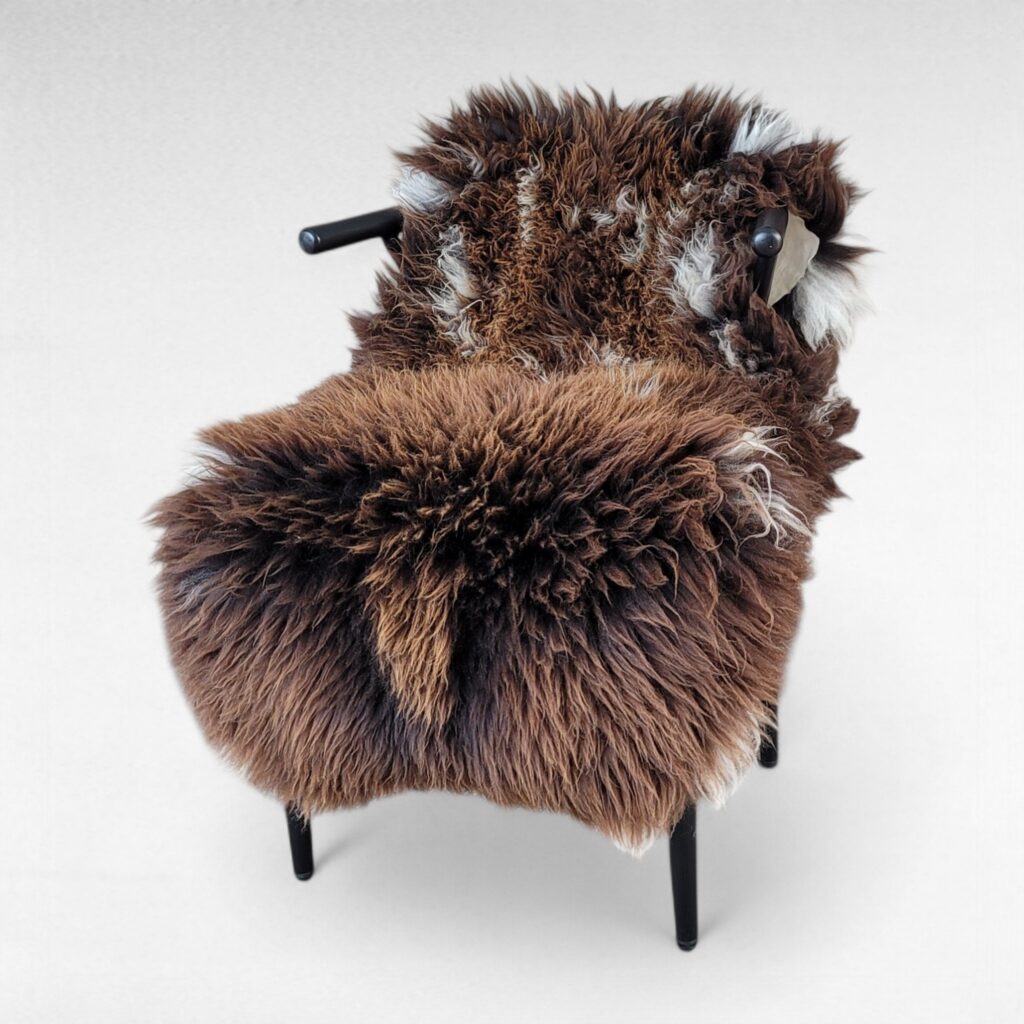
Natural variations in wool color, texture, and shape are part of each hide’s character. Some sheepskins have consistent coloring, while others feature spots, contrasting tips, darker edges, or unusual markings.

This individuality makes it possible to choose a sheepskin that suits your room rather than settling for a standard manufactured pattern.

Some customers prefer a simple, natural white sheepskin. Others are drawn to gray, black, golden brown, or naturally spotted sheepskins.

For customers who prefer to select the exact hide they’ll receive, our Unrepeatable Collection features individually photographed sheepskins, each available only once.

Larger sheepskin area rugs and throws may be constructed from several pelts sewn together, creating a more generous surface for bedrooms and living areas.

Whether you prefer a single natural hide or a larger sheepskin rug, there are many ways to incorporate genuine wool into your home.

Finding the Perfect Genuine Sheepskin Rug for Your Home Decor Style

Choosing a genuine sheepskin rug begins with considering where you’d like to use it.

For a bedroom, a soft white or cream sheepskin can be a welcome addition beside the bed. In a living room, a natural gray sheepskin, brown, or spotted hide can add contrast to wood floors, upholstered furniture, or other rugs.

Sheepskins also work well with different decorating styles.

Natural brown sheepskins and beige hides complement Rustic Farmhouse interiors, while gray and black sheepskins can provide contrast in modern or industrial spaces. White and ivory wool suit Scandinavian and Minimalist interiors, where simple materials and natural textures are often the focus.

Wool length is another consideration.

Long-wool Icelandic sheepskins create a more flowing appearance, while short-wool sheepskins provide a denser, more uniform surface. Curly varieties offer still another texture, with defined curls that give each piece its own character.

Size matters as well. A single sheepskin may be perfect for an armchair or beside a bed, while a double, four-pelt, or larger sewn sheepskin rug can cover a more substantial area. Our large and oversized sheepskin collection is a good starting point when you need something more substantial.

Before purchasing, consider the amount of foot traffic the sheepskin will receive. Many long-wool and delicate hides are best suited to low-traffic areas or decorative use rather than busy entryways and walkways.

There’s no need to match every element in a room. Sometimes a naturally marked sheepskin adds just enough contrast to make a space feel more complete.

Caring for Your Genuine Sheepskin Rug: Tips to Keep It Beautiful and Lasting Longer

Genuine sheepskin is relatively easy to maintain, although different wool types require slightly different care.

Regular shaking is one of the simplest ways to remove loose dust and restore the natural loft of the fleece. We generally recommend shaking your sheepskin outdoors about every two weeks, or as needed.

Allowing the wool to air naturally in a dry, well-ventilated location can also help keep it fresh.

Long, straight wool may occasionally benefit from gentle brushing with a suitable sheepskin brush. Naturally curly wool is different. Brushing can pull apart the curls and significantly change their appearance, so it’s generally best avoided.

For small spills or marks, gently blot the affected area and spot clean with a suitable wool-safe product. Avoid soaking the leather backing, which can become stiff or shrink when exposed to excessive moisture.

Genuine sheepskins should not be machine washed or submerged unless specifically labeled as washable.

Prolonged direct sunlight, excessive heat, and heavy foot traffic can also affect the wool and leather over time.

For more significant soiling, consult a professional cleaner experienced with genuine sheepskin and leather.

With a little routine attention, a genuine sheepskin rug can retain its natural beauty and texture for many years.

Conclusion: The Timeless Appeal of a Genuine Sheepskin Rug

A genuine sheepskin rug offers something different from an ordinary manufactured rug. Its natural wool, individual shape, and variations in texture and color give it a character of its own.

Whether you prefer a classic white sheepskin, a richly colored brown hide, or a long-wool Icelandic rug with unusual natural markings, there’s a great deal of variety to explore.

Sheepskins can be used in many ways throughout the home, from decorative accents on furniture to soft rugs beside a bed or favorite chair.

At Noryageur, we appreciate the qualities that make each sheepskin different. We believe choosing the right one should be about finding a piece you genuinely enjoy, one that suits your space and the way you intend to use it.

Explore our complete collection of genuine sheepskin rugs and discover the variety of natural colors, wool textures, and individual characteristics that make genuine sheepskin distinctive.

Posted on

Why Sheepskin is a Valuable Commodity

sheepskin blanket and sheepskin pelt on a sofa to create a cozy warm room

The harmony of the natural world envelops our human bodies in health, wisdom, creativity and well being.

Today’s modern society has fallen away from the natural grounding of the world.

In turn, companies have sold us into believing that plastics, synthetic fibers and materials hold the same value and composition as natural products. When these synthetics are only byproducts from many manufacturing processes. The need for companies to find a use for these byproducts has been touted as great for clothes and bedding and rugs.

However, as we have quickly learned over the last decade or so of the harmful effects of the manufactured synthetics to our bodies and the earth.

Sheepskin have long been valued in the old world for warmth and comfort, when utilized as clothing , bedding and rugs, while also being a byproduct of sustenance.

Sheepskin rugs are utilized still today from mostly Eco-friendly processes after feeding world population and has a significant impact on income in rural communities around the world.

Sheepskins can be used as rugs, blankets, throws, chair pads, jackets, aesthetics for home décor and so much more!